



Leaving already?
Can we tempt you with 5$ off your first order?
Min Order of $50


Care Guide & Supplies
Aquatic turtles like red-eared sliders need a large tank with strong filtration, a basking dock, UVB, and omnivore diet.
Habitat, diet, lighting, troubleshooting and a first-48-hours quick start. Free, no email required — from our family in Lancaster County to yours.
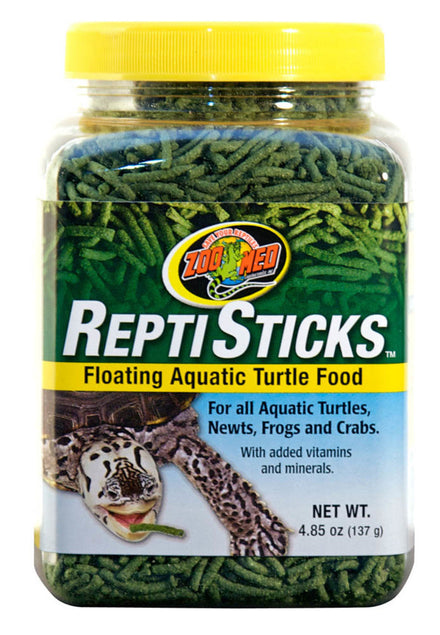
Zoo Med Repti Sticks Floating Aquatic Turtle Foods 5oz
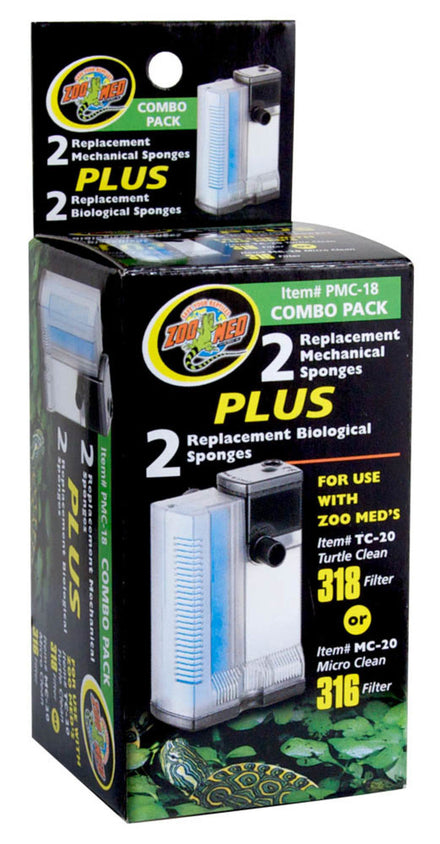
Zoo Med Turtle Clean 318 Replacement Sponge/Mech.
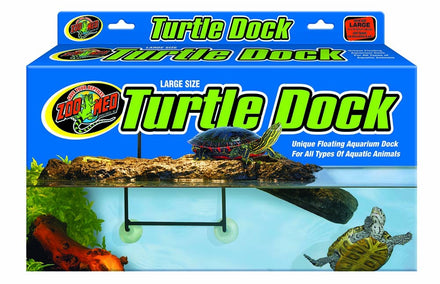
Zoo Med Turtle Dock 40gal and up size Large
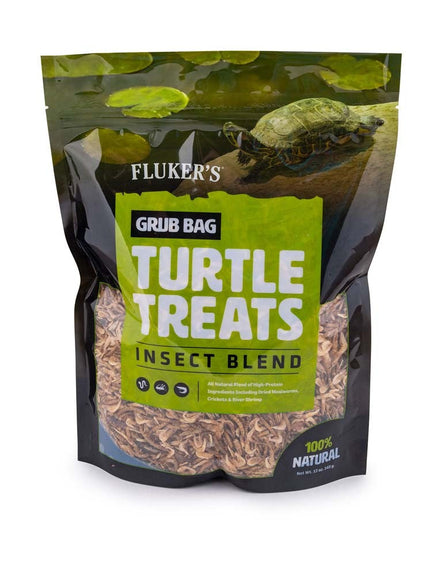
Fluker's Grub Bag Turtle Treat Insect Blend 12oz
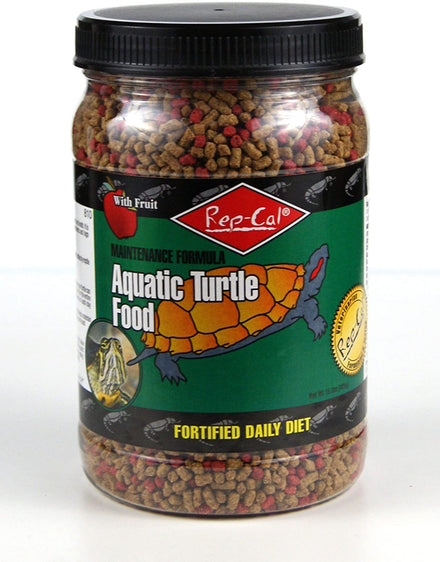
Rep-Cal Research Labs Maintenance Formula Aquatic Turtle Dry Food 1ea/15 oz
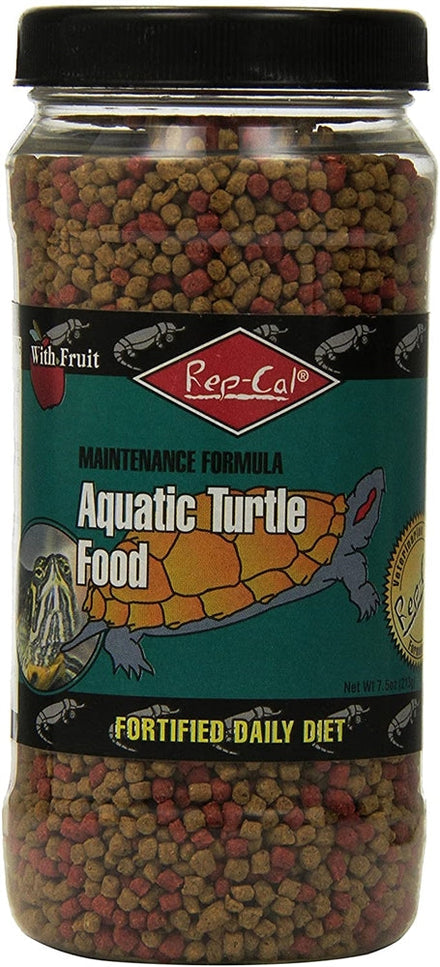
Rep-Cal Research Labs Maintenance Formula Aquatic Turtle Dry Food 1ea/7.5 oz
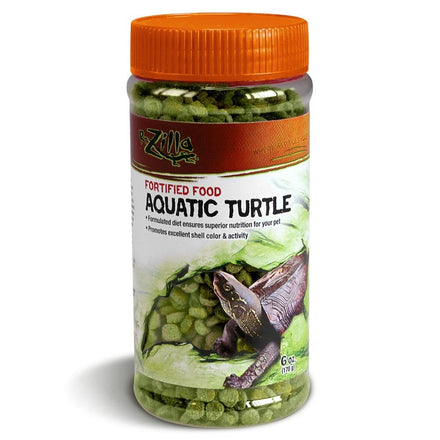
Zilla Aquatic Turtle Fortified Food 1ea/6 oz
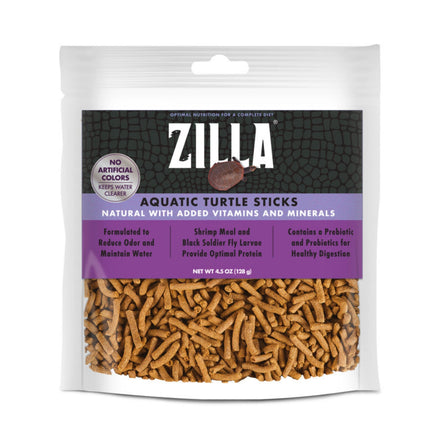
Zilla Aquatic Turtle Sticks Floating Food 4.5oz
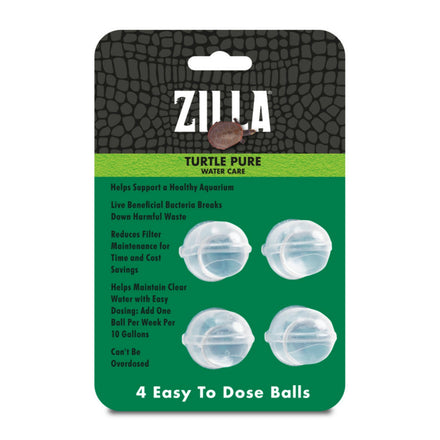
Zilla Turtle PURE 1ea/4pk
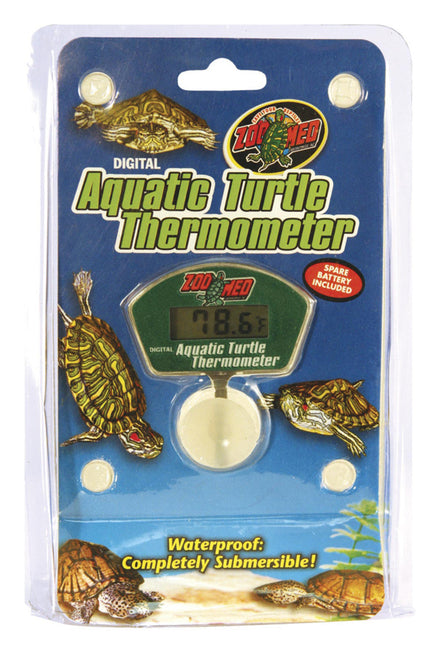
Zoo Med Digital Aquatic Turtle Thermometer
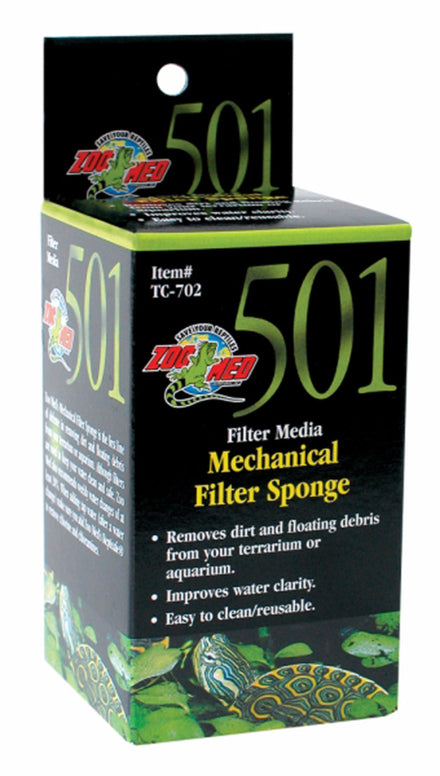
Zoo Med Mechanical Filter Sponge 15/501 Turtle Filter
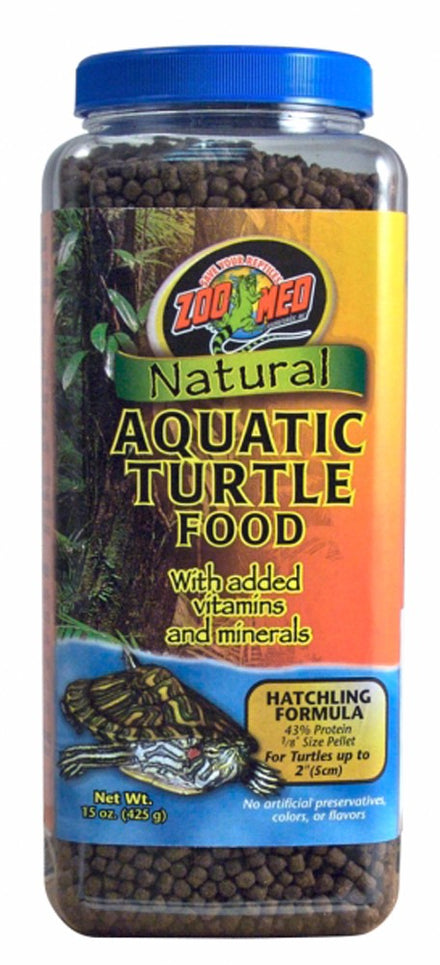
Zoo Med Natural Aquatic Turtle Micro Pellet Hatchling Food 15oz
The whole guide, free to read right here — habitat, diet, lighting, troubleshooting and a first-48-hours quick start. No email required.
Every spring, young turtles turn up in pet shops and roadside tubs: a shell not much bigger than your palm, a bright little face, a stubby tail paddling in circles. They look like a weekend project. They are not. A pet aquatic turtle is a 20 to 40 year commitment, and that palm-sized youngster will grow into a dinner-plate-sized adult that eats more, makes more mess and needs far more water than the baby ever suggested. We say that with a smile, because we love these animals. A well-kept turtle is a fascinating, long-lived companion that learns your footsteps, begs at the glass when you walk in, and basks with the blissed-out look of a creature that has found its perfect sunny log. But the most common reason turtles end up surrendered or dumped in local ponds is that nobody told the owner what the baby would become. You're reading this guide, so you're already ahead. Plan for the adult before you buy the baby, and we'll walk through the rest together.
What needs to be in the house on day one, and what to look for in each category.
Ready to set up? Browse the essentials in our collections: Reptile and Amphibian Enclosures, Reptile and Amphibian Terrarium Supplies & Accessories, Aquarium Filters, Pumps & Media and Aquarium Lighting.
Enrichment, one click away. Shop Reptile and Amphibian Accessories.
"Aquatic turtle" is a casual label for several species that spend most of their lives in water and come out to bask. Most are semi-aquatic: they swim and feed in the water but need a dry spot to warm up, rest and dry their shells. Their wild homes are the slow rivers, ponds and marshes of North America, where a good basking log is prime real estate and the water is full of plants, snails, insects and small fish. A good turtle setup recreates that: deep clean water, a sunny log, and a lot of room.
Here are the five groups you're most likely to meet.
| Trait | Red-eared slider | Painted turtle | Map turtle | Musk turtle (stinkpot) | Mud turtle |
|---|---|---|---|---|---|
| Scientific name | _Trachemys scripta elegans_ | _Chrysemys picta_ | _Graptemys_ species | _Sternotherus odoratus_ | _Kinosternon_ species |
| Adult shell length | 8–12 inches; females larger | 5–9 inches; females larger | Males 3.5–6 inches; females 6–10+ inches | 3–5 inches | 3–5 inches |
| Typical lifespan | 20–30+ years | 20–30+ years | 20–30 years | 20–40 years | 20–40 years |
| Adult tank (rule of thumb) | 75–125+ gallons | 50–90 gallons | 40–60 gallons (males); 75–100+ (females) | 30–50 gallons | 30–50 gallons |
| Water depth | 1.5–2x shell length | 1.5–2x shell length | 1.5–2x shell length | Shallow: about 1x shell length or less | Shallow: about 1x shell length or less |
| Basking | Heavy, daily | Heavy, daily | Heavy; shy and easily startled | Light; some rarely bask | Light to moderate |
| Temperament | Bold, food-driven, a bit of a beggar | Shy and skittish; settles with time | Shy, sensitive to water quality | Feisty and nippy; musky smell when scared | Feisty; stays on the bottom |
| Diet lean | Carnivorous when young; omnivore to herbivore as adults | Omnivore | Insects, snails and crustaceans as staples | Carnivore | Carnivore |
| Care level | Beginner-friendly in the right-sized tank | Beginner-friendly | Intermediate: demands pristine water | Beginner-friendly in a smaller footprint | Beginner-friendly in a smaller footprint |
The red-eared slider is by far the most common, and the rest of this guide leans on it as the example. Where the other species differ, we say so.
Red-eared sliders are native to the Mississippi River basin and the southern United States, but decades of released and escaped pets have made them one of the most widespread invasive species on earth, which shapes what responsible ownership looks like (see Handling & Hygiene and the FAQ). Painted, map, musk and mud turtles are native to eastern and central North America. Wild native turtles are protected by law in many states, so a turtle should always come from a captive-bred source and never from your local creek.
A federal FDA rule in place since 1975 bans the sale of turtles with a shell under 4 inches long, except for bona fide scientific, educational or exhibition purposes (not as pets) and for export. It was meant to cut Salmonella cases from tiny turtles that are easy to handle and put near the mouth. In practice, the youngsters in shops are 4 inches or more, which is still a baby. State and local laws may add rules on particular species, permits or trade, so check with your state wildlife agency before you buy.
A note for Pennsylvania families. Painted turtles, map turtles, musk turtles and mud turtles are all native to Pennsylvania, and the state treats native reptiles differently from non-native pets. Pennsylvania Fish and Boat Commission rules make it unlawful to bring a native reptile into the state from another state, and to buy or sell a native reptile taken in Pennsylvania or its offspring (58 Pa. Code §§ 79.9 and 79.10). Taking one from the wild requires a fishing license and is limited, and some species, such as the eastern mud turtle and red-bellied cooter, are protected. If you live in Pennsylvania, talk to the Fish and Boat Commission before you buy any native species, and never release a pet turtle outdoors.
This is the most important section in this guide. Please read it carefully.
A turtle from the shop is a few inches long. It fits in a 20-gallon tank, nibbles a few pellets, and paddles in cute little circles. This is the animal people fall for.
Within a few years, that turtle (if it is a red-eared slider) is a foot-long reptile that eats like a horse, splashes water over the rim, and fouls its tank within a day or two unless the filter is powerful. A female slider can reach 12 inches and weigh several pounds. She needs close to 100 gallons, strong lighting, a big filter, and a weekly cleaning routine that takes time and muscle. She will live twenty, thirty, possibly forty years. She may outlive your first mortgage and still be basking happily when your kids are grown.
None of this makes a turtle a bad pet. It makes a turtle a serious one. If you are ready for a decades-long commitment to a large, messy, long-lived reptile that needs deep water, strong filtration, UVB lighting and a reptile-savvy vet, you're in the right place. If you can't picture the adult in your home for twenty-five years, choose a smaller species (a musk or mud turtle stays 3 to 5 inches), or pass for now. The turtles will thank you.
The domed top of the shell is the carapace and the flat belly shell is the plastron. Both are covered in horny plates called scutes, made of keratin, the same material as your fingernails. Scutes shed periodically as the turtle grows, which is normal when it looks clean. Beneath them is bone fused to the ribs and spine, and the shell is living tissue with nerves and blood vessels, which is why a cracked or rotting shell is a medical problem, not a cosmetic one.
Turtles are watching pets rather than cuddling pets. Most settle into a rhythm and learn the person who feeds them, and sliders often swim to the glass and perform for food. They are not social. Housing two together is a gamble, since bullying, biting and fights over the basking spot are common and the weaker animal can quietly starve. One turtle per tank is the safest default, and never house turtles with fish you care about.
Four things catch most new owners off guard. Water weight: a 125-gallon tank is more than a thousand pounds with glass, stand and water. Mess: turtles eat and relieve themselves in the water they swim in, so cloudy, swampy tanks come fast without strong filtration. Personality: sliders beg, splash, and learn feeding time quickly. And the long game: the tiny turtle in the shop is not what you'll be living with in five years. Buy for the adult and you'll never have to rehome a turtle you've come to love.
The classic rule is about 10 gallons of water per inch of shell length. A 4-inch turtle starts at 40 gallons; a 10-inch adult red-eared slider lands at 100. Think of this as a starting point rather than a ceiling. More room is always better, and floor area matters more than height.
Hatchlings in 20–40 gallon tanks are a temporary stage, not a destination. Plan your upgrade the moment you buy the first tank, not the moment the turtle starts to bump the walls.
| Life stage | Approx. shell length | Minimum tank | Water depth | Notes |
|---|---|---|---|---|
| Hatchling or small juvenile (red-eared slider) | 4–5 inches | 40 gallons | 6–8 inches | Upgrade within months, not years |
| Growing juvenile | 6–7 inches | 60–75 gallons | 9–12 inches | Increase filtration at the same time |
| Adult male slider | 8–9 inches | 75–90 gallons | 12–18 inches | Use a stock-style or custom-built tank if standard heights are too short |
| Adult female slider | 10–12 inches | 100–125+ gallons | 15–24 inches | A large stock tank or an outdoor pond is a great option |
| Adult musk or mud turtle | 3–5 inches | 30–50 gallons | About 4–6 inches, with ramps | Poor swimmers; keep water shallow and climbable |
Water depth should be about 1.5 to 2 times your turtle's shell length for sliders, painted and map turtles, so that if it ends up on its back, it has room to flip back over and swim without panic. Musk and mud turtles are bottom walkers and weak swimmers, so keep their water shallow (around the length of their shell or less) and make every dock and decoration easy to climb.
A word about outdoor ponds. In warm months, a predator-safe, shaded outdoor pond or large stock tank is a wonderful upgrade for an adult turtle. It needs a secure fence or lid, filtration or regular water changes, basking spots and shade. In a Pennsylvania climate your turtle comes back inside before cold weather, so an indoor tank is the permanent base either way.
Turtles eat, drink and relieve themselves in the same water, and a hungry slider can foul a tank in an afternoon. That's why we recommend a canister filter rated for two to three times your actual tank volume. For a 100-gallon tank, shop for a filter rated for 200–300 gallons. It does three jobs. Mechanical filtration traps solids in sponges and floss, which you rinse regularly. Biological filtration supports beneficial bacteria that convert toxic ammonia from waste into nitrite and then much less toxic nitrate, a community that takes a few weeks to establish, which is why the filter should run before the turtle moves in. Chemical filtration, such as activated carbon, polishes the water and is optional.
A filter doesn't replace water changes. Plan on partial water changes of about 25% every week, always with dechlorinated water close to tank temperature. Point the outlet along the surface or toward the glass so a small turtle isn't blasted across the tank.
A basking area has three jobs: warmth, UVB and a dry surface. The dock must be large enough that your turtle can climb out completely, lie flat with legs extended and dry entirely. A shell that never dries grows algae, fungus and rot. If your turtle keeps sliding off, add a gentle ramp or a textured surface such as rubber matting or rough slate.
Picture the tank in side view. A well-built setup looks like this:
Many turtle keepers go bare-bottom, and there's a good reason for it: whatever covers the floor of the tank also traps waste. Turtles also swallow things, sometimes by accident while chasing a pellet. A stone small enough to fit in a turtle's mouth is a stone that can end up in its gut. The rule is simple: anything on the floor must be larger than your turtle's head, or fine enough to pass safely.
| Option | Best for | Pros | Cons | Verdict |
|---|---|---|---|---|
| Bare bottom (no substrate) | Hatchlings, juveniles, anyone who wants the easiest cleaning | Zero ingestion risk; waste is visible and easy to siphon; fastest weekly routine | Looks stark; glass can feel slippery to small turtles; some turtles enjoy rooting around | Our top pick for most keepers |
| Large smooth river stones (bigger than the turtle's head) | Adults and anyone who wants a natural look | Natural texture; good footing; beneficial bacteria colonize easily | Traps waste between stones; can shift and pin a turtle if stacked high; heavy and harder to clean | Good, with a single flat layer and regular siphoning |
| Fine sand (aquarium or playsand, rinsed) | Musk, mud and map turtles that like to dig; adults that forage | Soft underfoot; digging is enrichment; can be gently stirred and siphoned | Can compact and sour if the layer is deep; the dust must be rinsed out first; can cloud water | Acceptable in a thin layer (about an inch) |
| Small aquarium gravel or pebbles | Not recommended for any turtle | Familiar and inexpensive | Swallowed easily; causes blockages; traps waste | Avoid |
| Cedar, aromatic woods and painted décor | Not recommended | None | Oils and paints can leach into water and harm a turtle | Never |
Clean water is the single biggest predictor of a healthy turtle. The numbers below are your dashboard. A liquid test kit is the most accurate and affordable way to track them.
| Parameter | Target | Why it matters |
|---|---|---|
| Ammonia | 0 ppm | Toxic waste straight from your turtle; any reading above zero means the filter or the water change schedule needs attention |
| Nitrite | 0 ppm | Toxic intermediate produced when bacteria process ammonia; a reading means the filter is still cycling or overwhelmed |
| Nitrate | Under 40 ppm; under 20 ppm is better | The end product of the cycle; builds up over time and is removed by water changes |
| pH | About 6.5–8.0, and steady | Sudden swings stress a turtle more than a slightly off number |
| Chlorine and chloramine | 0 | Present in most tap water; irritates eyes and skin; neutralize with a water conditioner |
The cycle of ammonia to nitrite to nitrate is called the nitrogen cycle. New tanks take around four to six weeks to build a stable bacterial community, so add your turtle after the filter has been running, and be extra careful with water tests in the first month.
Set aside an hour on the same day each week and run through these steps in order.
A turtle is a cold-blooded (ectothermic) animal, which means it depends on the environment to set its body temperature. In the wild, it picks warm water, a sunlit log and shade according to what it needs. In your home, you have to supply all three. If you only remember three things from this guide, make them these: water temperature, basking temperature and UVB. Get them right together, and most of what goes wrong in turtle keeping never gets a chance to start.
| Parameter | Target value | How to measure it | What goes wrong when it's off |
|---|---|---|---|
| Water temperature | 75–80°F (hatchlings 78–82°F) | Submersible or stick-on aquarium thermometer, plus a digital probe for double-checking | Too cold: sluggishness, poor appetite, weak immune system, respiratory infection; too hot: stress, faster bacterial growth, oxygen drop |
| Basking surface temperature | 90–95°F | Infrared temperature gun or a probe taped to the dock at shell height | Too cool: incomplete digestion and drying, shell and skin infections; too hot: burns and stress, a turtle that avoids the dock |
| Basking air temperature | 85–90°F | Probe thermometer about 2 inches above the dock | Below 80°F: a dock that feels like a cold slab, turtle may skip basking; above 95°F: overheating risk |
| UVB light | Linear 5.0/10.0 or T5 HO, Ferguson zone 3; replace every 6–12 months | Follow the manufacturer's distance chart; a UV index meter is the gold standard | Too little: MBD, soft or deformed shell, weak bones; excess exposure without shade: eye and skin irritation |
| Photoperiod | 10–12 hours of light per day on a timer | Outlet timer | Constant light causes stress and poor rest; too little light reduces basking and appetite |
Keep the water at 75–80°F, with hatchlings at 78–82°F. A guarded heater on a stable thermostat does the job. Cooler water slows digestion and suppresses the immune system, and a persistently cold turtle is an invitation to respiratory infection. In a hot summer, move the tank out of direct sun and use room fans rather than adding ice.
The surface where your turtle rests should reach 90–95°F, with the air above it at 85–90°F. This is what helps it digest, dry its shell and skin, and make use of the UVB. Measure the dock surface with an infrared temperature gun, then adjust bulb wattage or lamp height until the numbers are right. The water itself is the cool zone, always within easy reach.
The Ferguson zone system classifies reptiles by how much UV they get in the wild: zone 1 animals live in deep shade and zone 4 animals bake in open sun. Aquatic turtles that bask in open sunlight are zone 3, so they need a strong, high-output UVB source, and a linear 5.0/10.0 tube or T5 HO fixture is the standard answer. Mount it over the basking spot at the manufacturer's recommended distance. Glass and many plastics block UVB almost entirely, and mesh blocks some, so follow the distance chart for your lid type.
Replace the tube every 6 to 12 months per the manufacturer. Write the install date on the fixture and set a phone reminder, because visible light outlasts UVB output and a tube that still looks bright may no longer be doing its job.
Brumation is the cold-weather slowdown wild turtles go through, when they stop eating and become nearly dormant. We do not recommend it for indoor captive turtles. Keep the water, basking and UVB steady all year, and attempt brumation only under the guidance of an experienced reptile vet.
Aquatic turtles are omnivores, which means they eat both animal and plant foods. The balance shifts with age. Young turtles, especially red-eared sliders, lean carnivorous and need roughly 50% protein to fuel fast growth. As they mature, they drift toward omnivore and even herbivore, eating more plants and less meat. Musk and mud turtles stay protein-focused their whole lives, and map turtles in particular love snails and crustaceans.
The good news is that a healthy, varied turtle diet is not complicated. The challenge is resisting the begging. A slider will make you feel like the worst person alive if you don't offer a third meal. Hold the line, and your turtle will live longer.
A balanced plate looks like this:
| Factor | Juveniles (up to about 5–6 inches) | Adults |
|---|---|---|
| Diet lean | Carnivorous: about 50% protein overall | Omnivore to herbivore: more plants, less meat |
| Pellets | About one third of the diet | About one third of the diet |
| Greens and aquatic plants | Offer daily; many will nibble only a little | Half or more of the plate; the staple |
| Protein extras | Several times a week | Once or twice a week at most |
| Meal size | Only what they finish in 5–10 minutes | Only what they finish in 5–10 minutes |
| Frequency | Daily | Every 2–3 days |
| Water temperature while eating | 78–82°F | 75–80°F |
If your turtle leaves food behind, scoop it out and shrink the next portion. If it begs and you cave, the extra pounds creep on and the water goes cloudy.
| Food | Category | How often | Notes |
|---|---|---|---|
| Commercial turtle pellets | Staple | Every feeding, about one third of the diet | Choose a size your turtle can swallow easily; a pellet alone is never enough |
| Romaine and red or green leaf lettuce | Staple green | Several times a week | Good basic leaf; rinse well |
| Dandelion greens and flowers | Staple green | Several times a week | Rich and well-liked; use only pesticide-free plants from yards that haven't been treated |
| Collard, mustard and turnip greens | Staple green | Weekly rotation | Calcium-rich; chop for small turtles |
| Anacharis (elodea), duckweed, water lettuce | Aquatic plants | Always available | Grazing and cover; may be shredded and need replacing |
| Earthworms and nightcrawlers | Protein | 1–3 times a week for juveniles; weekly or less for adults | A natural favorite; rinse before feeding |
| Shrimp (fresh, frozen and thawed, or dried) | Protein | Weekly | Peeled or whole; shell adds a bit of roughage and calcium |
| Crickets, mealworms, silkworms and other insects | Protein | Weekly | Gut-load feeder insects; keep mealworms occasional because they are fatty |
| Snails (captive-bred) | Protein | Occasional | Excellent for map and musk turtles; avoid wild snails |
| Small feeder fish (guppies, minnows) | Protein, occasional | Occasional | Buy from a clean source and quarantine them first. Wild-caught fish can carry parasites. Skip goldfish as a regular food. |
| Small bits of squash, carrot or bell pepper | Occasional vegetable | Once a week | Adds variety and some vitamin A; keep pieces small |
| Food | Why |
|---|---|
| Iceberg lettuce | Mostly water with almost no nutrition; fills your turtle up on nothing |
| Dairy (milk, cheese, yogurt) | Turtles cannot digest it; it causes digestive upset |
| Processed human food (bread, chips, crackers, cereal, deli meat) | High in salt, fat and additives; offers nothing your turtle needs |
| Raw meat from your kitchen (chicken, beef, bacon) | High in fat and phosphorus; contaminates the water; raises Salmonella risk for you |
| Spinach in excess | Oxalates bind calcium and can contribute to deficiency; a small leaf now and then is fine |
| Pellets as the only food | Without greens and variety, turtles develop deficiencies, boredom and often vitamin A problems |
| Avocado, rhubarb, onion and garlic | Considered toxic or harmful for reptiles; skip all of them |
| Dog or cat food | Wrong balance of protein and fat; can cause shell growth problems and kidney strain |
Hypovitaminosis A means "too little vitamin A," and it is among the most common problems in captive aquatic turtles. It shows up as swollen, puffy, closed eyes and sometimes a turtle that refuses to eat because it can't find its food. The usual cause is pellets only, low-quality pellets, or all lettuce and no color. Offer dark leafy greens, an occasional small piece of orange or red vegetable like squash, and a good pellet. Do not give vitamin A drops or injections on your own. Too much is also harmful, so leave dosing to your vet.
| Supplement or step | Schedule | Notes |
|---|---|---|
| Cuttlebone | Always in the tank | Replace when it dissolves; some turtles ignore it until they need it |
| Plain calcium powder (without D3) | Light dusting on greens or protein, once or twice a week | More often for fast-growing juveniles and for females who are laying; UVB handles D3 |
| UVB lamp | Daily, 10–12 hours | Calcium supplements can't work without UVB |
| Feeding tub | Each feeding, if you choose | A separate tub keeps the main tank cleaner |
Many experienced keepers feed in a separate tub of warm water from the main tank. Your turtle eats for 15 to 20 minutes, then goes back. Since turtles tend to relieve themselves while eating, most of the mess lands in a container that is easy to dump and rinse, and the main tank stays clearer.
Shop the food and supplies: Browse Reptile & Amphibian Food and Live Feed Delivered!.
Your turtle's shell tells you a lot about its health. Learn what normal looks like now, and you'll spot trouble early.
A healthy shell is hard, smooth to slightly textured, evenly colored and free of pits, soft spots or odd smells. When you press gently on the carapace, nothing gives. The plates (scutes) should lie flat and tight with clean seams between them. A slight natural sheen is fine. Raised, bumpy or pyramid-like scutes can point to growth that is too fast or an imbalance in diet and lighting, and a shell that feels soft or rubbery is an urgent sign of MBD.
Aquatic turtles shed their scutes as they grow. Unlike snakes, they lose thin, translucent, paper-like flakes of keratin from each scute, sometimes in sheets that float around the tank and sometimes in bits that peel at the edges. This is normal, and most visible in growing juveniles. A turtle mid-shed may look pale or scruffy for a short while, then show bright new colors. Skin sheds too: thin, whitish strands on the neck, legs and tail that flake away are normal.
A shed is normal when the old layer is thin and milky and comes away on its own, the new scute beneath is smooth and well attached, and your turtle is eating, swimming and basking as usual. It becomes a problem (retained scutes) when old layers stay and stack into thick, dull, uneven patches, debris collects underneath causing odor, pits or discoloration, or scutes lift and curl at the edges. Retained scutes usually mean the turtle isn't getting a proper dry basking period, the water is dirty, or the lighting and diet are off. Fix those and the shed usually tidies itself up. Don't peel or pick at scutes; a soft toothbrush and plain water can gently clean around loose edges.
Algae grows on almost every turtle shell kept in a bright tank. Fungus and bacterial infections can look similar at first glance, but they behave very differently.
| Feature | Algae | Fungus or shell rot |
|---|---|---|
| Color | Green, brown or dark fuzz | White, gray, cottony patches; sometimes pink, red or yellowish |
| Texture | Soft film or fuzz that wipes or brushes off | Does not wipe away; may feel slimy, pitted or rough |
| Shell underneath | Hard and intact once cleaned | May be soft, pitted or flaking; scutes may lift |
| Smell | None | Often a foul smell |
| Spread | Stays on the surface | Can spread and deepen over time |
| Action | Gentle brush, a dry basking spot, less light on the water | See Common Challenges & Solutions and call your vet |
A little algae is usually harmless, but heavy algae often means too much light on the water, too many nutrients in the tank, or a turtle that isn't drying out. Whenever you're unsure which one you're looking at, take a photo and ask your vet.
What you see: puffy, swollen eyelids; eyes that stay closed; a turtle that won't eat because it can't see food; sometimes flaky skin or ear swelling. One of the most common, and most preventable, turtle problems. Why: a diet of pellets alone, poor-quality food, or too few leafy greens. What to do: improve the diet right away with dark leafy greens, suitable vegetables and a quality pellet, and keep the water immaculate. Do not self-dose vitamin A. When to call a vet: at the first sign of swollen or closed eyes. Treatment, which may include vet-directed vitamin A and eye care, works best when started early.
What you see: pitted, soft or flaking areas on the shell; white, gray, pink or reddish patches; a bad smell; fluid under the scutes; scutes that lift away. Why: bacteria or fungi enter through a scrape or crack and thrive when the shell stays wet, the water is dirty or there is no dry place to bask. What to do: improve water quality at once, make sure your turtle can leave the water and dry fully every day, and don't pick at the damage. When to call a vet: at the first soft spot, pit or odor. Shell rot can reach the bone and bloodstream.
What you see: bubbles at the nose or mouth; wheezing, clicking or open-mouth breathing; a turtle that floats lopsided or struggles to dive; poor appetite; lethargy; eye or nose discharge. Why: cold water, a cold basking spot, drafts, dirty water or stress. What to do: bring water and basking temperatures to target and keep the tank clean while you call your vet. Don't use over-the-counter antibiotics without a diagnosis. When to call a vet: the same day for open-mouth breathing, bubbles or lopsided floating. Pneumonia moves fast in turtles.
What you see: a soft, rubbery or flexible shell; a flattened, bumpy or misshapen shell; an overgrown or deformed beak; weak or bowed legs; sluggishness. Why: not enough UVB and/or calcium, so the body can't build strong bone. In aquatic turtles, an old or wrong UVB tube is the most common culprit. What to do: correct the UVB setup right away by confirming tube type, distance and age, replace it if it's past its date, and offer cuttlebone and calcium-rich greens. When to call a vet: as soon as you notice softness. Early MBD can improve with treatment; advanced damage is permanent.
What you see: a firm, round bulge on one or both sides of the head just behind the eye, where the ear sits under the skin; sometimes a head tilt, reduced appetite or lethargy. Why: a middle-ear infection, often linked to vitamin A deficiency and dirty water. Turtle pus is thick and won't drain on its own. What to do: keep the water clean and warm, correct the diet, and never lance or squeeze it at home. When to call a vet: promptly. Abscesses usually need surgical drainage under veterinary care.
What you see: white or gray cottony patches on skin or shell, skin peeling in patches, red irritated areas, sometimes a turtle that stops basking. Why: constantly wet skin, dirty or cool water, or no proper dry basking area. What to do: improve dock access and drying time, and correct water quality and temperature; your vet can recommend a safe treatment. When to call a vet: if patches spread, deepen or don't improve within a few days.
What you see: a restless female who digs repeatedly, paces or stays out of the water; a swollen belly; lethargy, poor appetite and straining without laying. Why: female turtles can develop and lay eggs even without a male, and the eggs are infertile. Binding happens when there is no suitable nesting spot, the female is too cold or calcium deficient, or an egg is oversized or misshapen. What to do: provide a nesting box of damp sand or soil deep enough to dig in, with a ramp and a warm, quiet setting, and check your UVB and calcium. When to call a vet: if she has dug or strained for 24 hours without laying, or looks unwell. Egg binding can be fatal.
What you see: no droppings for several days, a bloated feel, straining, and a sluggish turtle that is eating less. Why: too little fiber, cool water, dehydration, or something swallowed such as gravel. What to do: bring the water into the target range, offer extra aquatic plants and leafy greens, and soak the turtle 15 to 20 minutes in a shallow tub of warm water. Remove any stones or decorations small enough to swallow. When to call a vet: no droppings for a week or more, a swollen belly, or a suspected swallowed object.
What you see: thick, layered or lumpy shell plates with old scutes stacked and lifting at the edges, dirt or algae trapped beneath, sometimes a faint odor. Why: the shell isn't drying out regularly, the water is dirty, lighting is weak, or nutrition is poor. What to do: check the dock, basking temperatures and UVB, improve water quality, and gently scrub around loose edges with a soft toothbrush. When to call a vet: if the shell beneath looks pitted, soft, discolored or smelly, or the retention is widespread.
What you see: a turtle that stays in the water all day, hides, or ignores food for several days. Why: a basking spot that is too hot or too cold, a slippery or steep dock, a tank that's too small, a new environment, or illness. What to do: check every number in this guide, then adjust; reduce noise near the tank, add a hiding spot and offer favorite foods. When to call a vet: more than a week, or any swollen eyes, breathing trouble or weight loss.
| What you see | Likely cause | What to do | Vet urgency |
|---|---|---|---|
| Swollen, closed eyes | Vitamin A deficiency | Improve diet and water quality | Within a day or two |
| Pitted or soft shell, bad odor | Shell rot | Dry-dock access, cleaner water | Promptly; same day if deep or bleeding |
| Bubbles at nose, wheezing, lopsided floating | Respiratory infection | Raise temperatures; keep the tank clean | Same day |
| Soft, flexible shell; deformed bones | MBD | Correct UVB; add calcium | Within days |
| Bulge behind the eye | Ear abscess | Keep water clean; don't squeeze | Promptly |
| White cottony patches | Fungal infection | Improve drying and water quality | Within a few days |
| Digging and straining, swollen belly | Egg binding | Nesting box; warmth | Same day if 24+ hours |
| No droppings for days | Constipation | Warm water and fiber; soak | Within a week |
| Thick, stacked scutes | Retained scutes | Better drying, UVB and water | If shell beneath looks bad |
| Won't bask or eat | Temperature, stress or illness | Check numbers; reduce stress | If over a week |
Turtles are better to watch than to hold. Most dislike being picked up, and frequent handling stresses them. Handle your turtle for health checks, feeding-tub transfers, tank cleaning and vet visits, and otherwise enjoy it from outside the glass. Children under 5 should not handle turtles or touch the tank at all, and older kids always need an adult nearby and a hand-washing stop afterward.
Musk turtles (stinkpots) release a musky smell when frightened, a polite way of asking to be put down.
Turtles commonly carry Salmonella in their gut and shed it in their droppings. Because turtles share their water with their waste, the tank, the water, the dock and everything that touches them can carry it too. A turtle with Salmonella looks perfectly healthy, which is exactly the problem. The bacteria can cause diarrhea, fever and cramps in people, and the risk is highest for children under 5, pregnant people, older adults and anyone with a weakened immune system. A few simple habits make a turtle a safe household pet for most families.
Millions of families keep turtles safely every day. Consistency matters more than perfection, and the best routine is the one you actually follow.
| How often | What to do |
|---|---|
| Daily | Check that the water is 75–80°F (hatchlings 78–82°F) and the basking surface is 90–95°F |
| Daily | Confirm the basking lamp and UVB tube came on and off on schedule |
| Daily | Feed according to age: juveniles daily, adults every 2–3 days; remove uneaten food after 5–10 minutes |
| Daily | Look your turtle over for clear eyes, normal swimming, a good shell and a healthy appetite |
| Weekly | Change about 25% of the water with dechlorinated water of a matching temperature |
| Weekly | Test ammonia, nitrite, nitrate and pH, and write the numbers in your log |
| Weekly | Wipe the glass and rinse the dock; siphon waste from the bottom |
| Weekly | Dust greens or protein lightly with plain calcium powder, once or twice |
| Monthly | Rinse filter sponges in a bucket of old tank water (never tap water) and check flow |
| Monthly | Check every cord, clip, heater guard and dock mount for wear or looseness |
| Every 6–12 months | Replace the UVB tube according to the manufacturer, even if it still glows |
| Annually | Wellness visit with a reptile veterinarian, including a fecal exam |
| As needed | Upgrade the tank as your turtle grows, following the 10 gallons per inch guide |
Turtles are masters at hiding illness. By the time something shows, it has often been building for weeks. When you're unsure, call. A five-minute call with a reptile vet beats a week of watching and hoping.
Go today (same-day or emergency):
Book within a few days:
Find your reptile veterinarian now, before you need one. Ask whether they treat aquatic turtles and what their after-hours plan is. Bring a photo of your setup, a written log of temperatures and water tests, your diet list, and a fresh stool sample in a sealed bag if you can. Transport your turtle in a ventilated, lidded container with a damp towel, and keep it warm.
An adult red-eared slider needs roughly 75 to 125 gallons or more, and bigger is better. The usual rule of thumb is about 10 gallons of water per inch of shell length, so a 10-inch female lands near 100 gallons. Keep the water about 1.5 to 2 times the turtle's shell length deep so it can swim freely and flip over if it lands on its back. Hatchlings can start in a 20–40 gallon tank, but that is a temporary stage, and many keepers go straight to a larger tank so there is nothing to outgrow. A large stock tank or a warm-weather outdoor pond is a great option for adults.
Red-eared sliders commonly live 20 to 30 years or more with good care, and other aquatic turtles can reach 40. That is longer than most dogs, cats or horses. The best ways to reach the upper end are a properly sized tank, strong filtration, clean water, correct heat and UVB, a varied diet, and regular visits to a reptile vet. Think of your turtle as a lifelong family member, and plan for who will care for it if your circumstances change.
Aquatic turtles are omnivores. A healthy diet is built on quality commercial turtle pellets (about one third), plus leafy greens and aquatic plants such as dandelion, romaine and anacharis, plus occasional protein such as shrimp, earthworms, insects and snails. Juveniles lean carnivorous, at roughly 50% protein, while adults shift toward more plants. A cuttlebone provides calcium. Avoid iceberg lettuce, dairy, processed human food, raw meat from your kitchen and pellets as the only food, and be careful with wild-caught feeders because of parasites.
Yes, absolutely. A turtle has to climb completely out of the water, warm up and dry off entirely every day. The basking surface should reach 90 to 95°F, with air above it around 85 to 90°F, on a dock large enough for the whole body. A basking lamp supplies warmth but is not a substitute for UVB, so you also need a linear 5.0/10.0 or T5 HO UVB tube, replaced every 6 to 12 months, so your turtle can make vitamin D3 and keep its shell and bones strong. Without warmth, UVB and a dry dock, turtles develop shell rot, respiratory infections and metabolic bone disease.
Keep the water at 75 to 80°F for most aquatic turtles, and a little warmer, about 78 to 82°F, for hatchlings. A guarded submersible heater on a thermostat holds that range, and a reliable thermometer lets you check it daily. Water that is too cold slows digestion, reduces appetite and weakens the immune system, which invites respiratory infections. Water that is too warm stresses your turtle and speeds up bacterial growth.
Swollen, puffy or closed eyes are most often a sign of vitamin A deficiency (hypovitaminosis A), which is very common in turtles fed mostly pellets or low-quality food, though dirty water, infection or a foreign object in the eye can also be involved. A turtle with swollen eyes may stop eating because it can't see its food. Improve the diet with dark leafy greens and a quality pellet, keep the water spotless, and see a reptile vet promptly. Don't give vitamin A supplements on your own, because too much is harmful and your vet will choose the right dose and treatment.
It isn't a good idea. Turtles produce a large amount of waste for their size, and without strong filtration, ammonia and bacteria build up quickly and cause skin, eye and shell problems. We recommend a canister filter rated for two to three times your actual tank volume, plus about 25% weekly water changes with dechlorinated water. Some keepers get by with frequent, large water changes and no filter, but that is time-consuming, hard on the turtle and rarely sustainable for years.
Feed juveniles once a day and adults every two to three days, offering only what they finish in about 5 to 10 minutes. Overfeeding is one of the most common mistakes, since turtles will happily beg for more than they need and extra food fouls the water. Many keepers feed in a separate tub of warm water to keep the main tank cleaner. If your turtle seems thin, talk to your vet rather than simply adding more food.
No. Never release a pet turtle outdoors. Red-eared sliders are an invasive species in many parts of the world, and released pets compete with native turtles for food and basking sites, spread disease and disrupt local ecosystems. Pet turtles often can't survive in the wild either, and in many places releasing one is illegal. If you can't keep your turtle, contact a reptile rescue, a herpetological society or a reptile vet for help rehoming it responsibly.
Yes. Turtles commonly carry Salmonella bacteria in their intestines and shed them in their droppings with no signs of illness. It can cause serious illness in people, and the risk is highest for children under 5, pregnant people, older adults and anyone with a weakened immune system. The solution is consistent hygiene: wash your hands with soap and warm water for at least 20 seconds after any contact with the turtle, its tank or its water; never wash tank parts in a kitchen sink; keep turtles out of food areas; and don't kiss or snuggle them. With those habits, most families keep turtles safely for decades.
Ready to shop? Start with Reptiles & Amphibians. 10% of every purchase supports no-kill animal shelters. Not sure this is the right pet? Compare your options in our Reptile Guide.
Before we earn a dime, 10% of every purchase at Walnut Creek Supply goes to no-kill animal shelters across the country. Not a checkout option, not a promotion. Off the top of every order, every day, because we believe responsible pet ownership and caring for our communities are the same promise made in two directions.
For turtle keepers, that promise means something specific. Turtles are among the most commonly surrendered and abandoned reptiles, and nearly every one of those stories begins with a tiny shell and an owner who didn't know what came next. By reading this guide, you've done the hardest part: you understand the adult. If you're in a position to adopt rather than shop, reptile rescues across the country have healthy, grown turtles waiting for someone with a big tank, a good filter and a thirty-year plan.
We're a family business in Christiana, Lancaster County, Pennsylvania. We grow our own food, keep our own animals, and stock the clean-label, USA-made goods we'd put in front of our own pets. That means no mystery ingredients and Clean Fuel, No Junk, every time. If you have a question about your turtle's filter, lighting, diet or where to find a reptile vet, call us at (717) 983-8069. We'd rather talk it through with you.
Welcome to the next 20 to 40 years with one of the most rewarding animals in the aquarium hobby.
_From our family to yours,_ Walnut Creek Supply — Christiana, Lancaster County, Pennsylvania _walnutcreeksupply.com_
An adult red-eared slider needs roughly 75 to 125 gallons or more, and bigger is better. The usual rule of thumb is about 10 gallons of water per inch of shell length, so a 10-inch female lands near 100 gallons. Keep the water about 1.5 to 2 times the turtle's shell length deep so it can swim freely and flip over if it lands on its back. Hatchlings can start in a 20–40 gallon tank, but that is a temporary stage, and many keepers go straight to a larger tank so there is nothing to outgrow. A large stock tank or a warm-weather outdoor pond is a great option for adults.
Red-eared sliders commonly live 20 to 30 years or more with good care, and other aquatic turtles can reach 40. That is longer than most dogs, cats or horses. The best ways to reach the upper end are a properly sized tank, strong filtration, clean water, correct heat and UVB, a varied diet, and regular visits to a reptile vet. Think of your turtle as a lifelong family member, and plan for who will care for it if your circumstances change.
Aquatic turtles are omnivores. A healthy diet is built on quality commercial turtle pellets (about one third), plus leafy greens and aquatic plants such as dandelion, romaine and anacharis, plus occasional protein such as shrimp, earthworms, insects and snails. Juveniles lean carnivorous, at roughly 50% protein, while adults shift toward more plants. A cuttlebone provides calcium. Avoid iceberg lettuce, dairy, processed human food, raw meat from your kitchen and pellets as the only food, and be careful with wild-caught feeders because of parasites.
Yes, absolutely. A turtle has to climb completely out of the water, warm up and dry off entirely every day. The basking surface should reach 90 to 95°F, with air above it around 85 to 90°F, on a dock large enough for the whole body. A basking lamp supplies warmth but is not a substitute for UVB, so you also need a linear 5.0/10.0 or T5 HO UVB tube, replaced every 6 to 12 months, so your turtle can make vitamin D3 and keep its shell and bones strong. Without warmth, UVB and a dry dock, turtles develop shell rot, respiratory infections and metabolic bone disease.
Keep the water at 75 to 80°F for most aquatic turtles, and a little warmer, about 78 to 82°F, for hatchlings. A guarded submersible heater on a thermostat holds that range, and a reliable thermometer lets you check it daily. Water that is too cold slows digestion, reduces appetite and weakens the immune system, which invites respiratory infections. Water that is too warm stresses your turtle and speeds up bacterial growth.
Swollen, puffy or closed eyes are most often a sign of vitamin A deficiency (hypovitaminosis A), which is very common in turtles fed mostly pellets or low-quality food, though dirty water, infection or a foreign object in the eye can also be involved. A turtle with swollen eyes may stop eating because it can't see its food. Improve the diet with dark leafy greens and a quality pellet, keep the water spotless, and see a reptile vet promptly. Don't give vitamin A supplements on your own, because too much is harmful and your vet will choose the right dose and treatment.
It isn't a good idea. Turtles produce a large amount of waste for their size, and without strong filtration, ammonia and bacteria build up quickly and cause skin, eye and shell problems. We recommend a canister filter rated for two to three times your actual tank volume, plus about 25% weekly water changes with dechlorinated water. Some keepers get by with frequent, large water changes and no filter, but that is time-consuming, hard on the turtle and rarely sustainable for years.
Feed juveniles once a day and adults every two to three days, offering only what they finish in about 5 to 10 minutes. Overfeeding is one of the most common mistakes, since turtles will happily beg for more than they need and extra food fouls the water. Many keepers feed in a separate tub of warm water to keep the main tank cleaner. If your turtle seems thin, talk to your vet rather than simply adding more food.
No. Never release a pet turtle outdoors. Red-eared sliders are an invasive species in many parts of the world, and released pets compete with native turtles for food and basking sites, spread disease and disrupt local ecosystems. Pet turtles often can't survive in the wild either, and in many places releasing one is illegal. If you can't keep your turtle, contact a reptile rescue, a herpetological society or a reptile vet for help rehoming it responsibly.
Yes. Turtles commonly carry Salmonella bacteria in their intestines and shed them in their droppings with no signs of illness. It can cause serious illness in people, and the risk is highest for children under 5, pregnant people, older adults and anyone with a weakened immune system. The solution is consistent hygiene: wash your hands with soap and warm water for at least 20 seconds after any contact with the turtle, its tank or its water; never wash tank parts in a kitchen sink; keep turtles out of food areas; and don't kiss or snuggle them. With those habits, most families keep turtles safely for decades.
Every aquatic turtle article we've published, in one place.