

Leaving already?
Can we tempt you with 5$ off your first order?
Min Order of $50


Care Guide & Supplies
Free horse care guide: forage-first feeding, hoof and dental care, tack and trail safety, plus feed, supplements and tack.
Habitat, diet, lighting, troubleshooting and a first-48-hours quick start. Free, no email required — from our family in Lancaster County to yours.
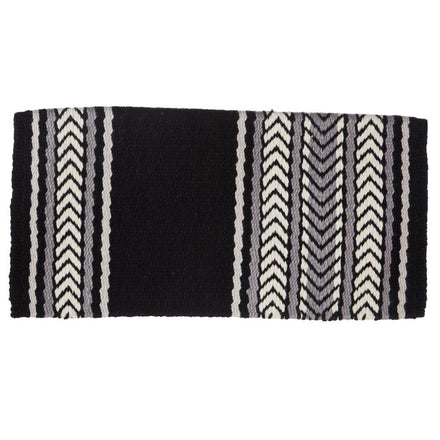
1425-4 Iron Horse 36inx34in New Zealand Wool Saddle Blanket MULTI
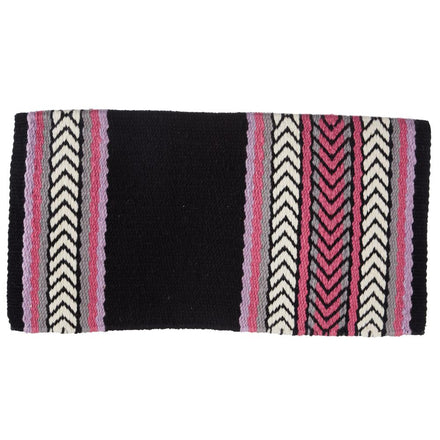
1425-5 Iron Horse 36x34 New Zealand Wool Saddle Blanket MULTI
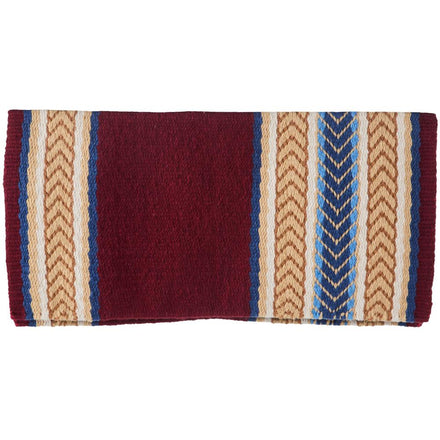
1425-7 Iron Horse 36x34 New Zealand Wool Saddle Blanket MULTI
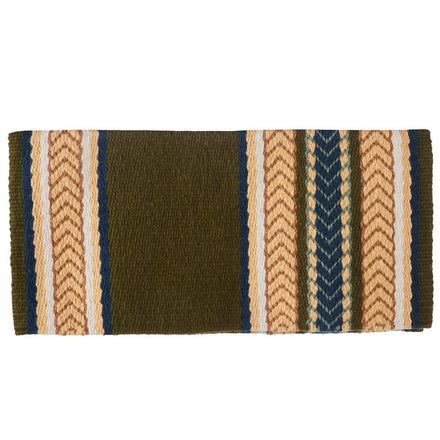
1425-9 Iron Horse 36x34 New Zealand Wool Saddle Blanket MULTI
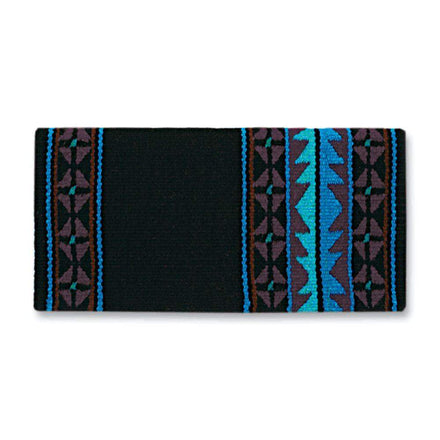
1448-4 Mojave Wool Horse Saddle Blanket
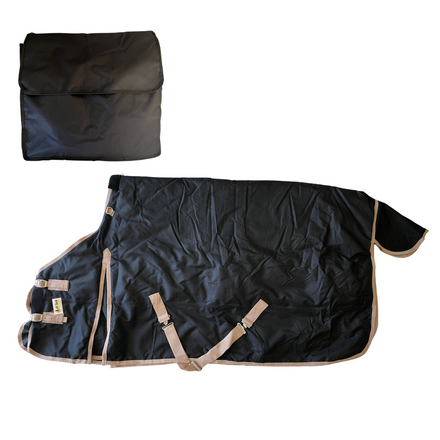
AJ Tack 1200D Horse Turnout Blanket with Storage Bag - Black
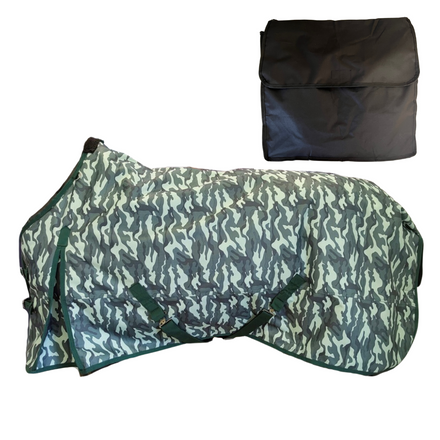
AJ Tack 1200D Horse Turnout Blanket with Storage Bag - Camouflage
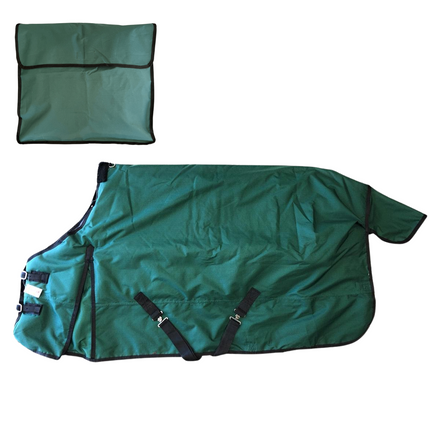
AJ Tack 1200D Horse Turnout Blanket with Storage Bag - Green
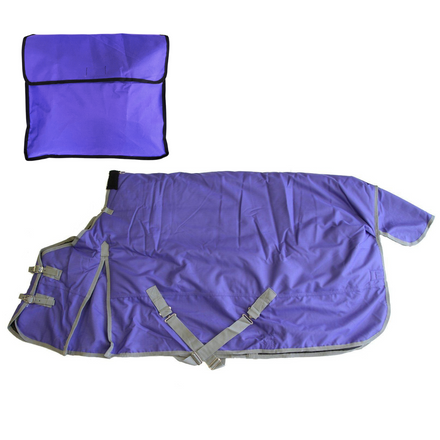
AJ Tack 1200D Horse Turnout Blanket with Storage Bag - Purple
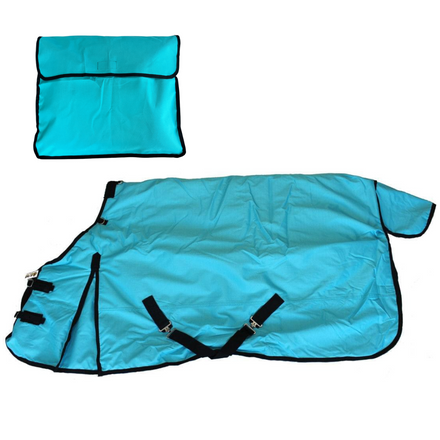
AJ Tack 1200D Horse Turnout Blanket with Storage Bag - Turquoise
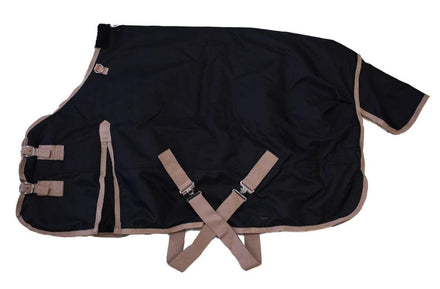
AJ Tack 1200D Waterproof Miniature Horse Turnout Blanket - Black
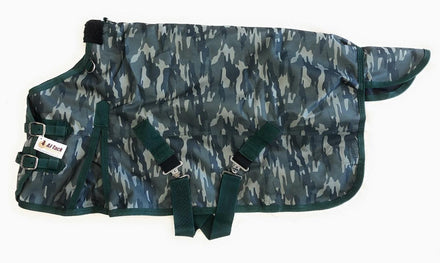
AJ Tack 1200D Waterproof Miniature Horse Turnout Blanket - Camouflage
See Hoof Gains in 6–9 Months: Natural Hoof Care for Horse Owners
Horse Fly Spray and Summer Pest Management: A Natural-First Approach
Horse Hay: How to Choose, Store, and Feed for Optimal Equine Health
Natural Horse Supplements: Joint, Gut, and Coat Support That Actually Works
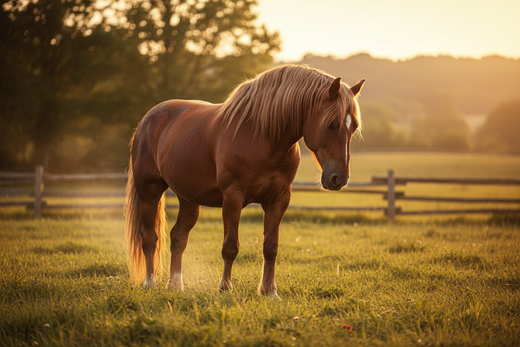
Why Horses Need a “Decompression” Routine After Travel (And How to Do It Right)
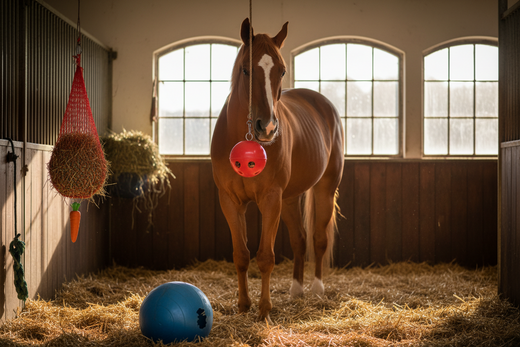
Why Boredom Breakers Matter for Stalled Horses
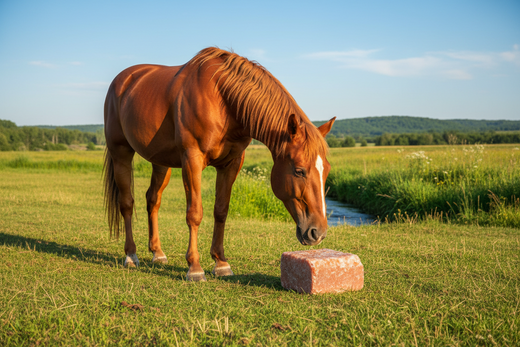
Why Salt and Mineral Access Matters for Horses
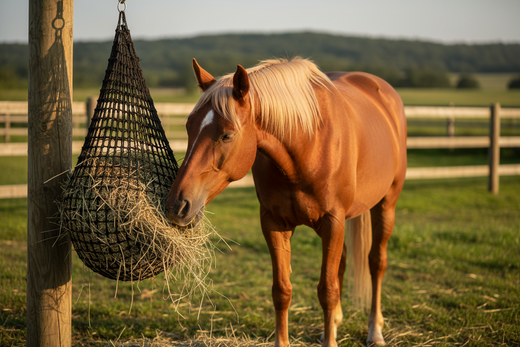
Why Slow Feeders Can Support Better Horse Wellness
The whole guide, free to read right here — habitat, diet, lighting, troubleshooting and a first-48-hours quick start. No email required.
Every horse people fall for has a few things in common: a warm breath on your sleeve, an ear tipped toward your voice, and a way of making a gray Pennsylvania morning feel better. They also share a few things that don't make the postcard. A horse lives 25 to 30 years or more, eats about 15 to 20 pounds of hay a day, needs a herd (or at least a real friend), and can turn a quiet Tuesday into an emergency in under an hour. None of that is a reason to stay away. It is a reason to go in with open eyes, the way families around our home in Christiana, Lancaster County, have done for generations, in a country of working horses, harness shops, saddlers, and farriers who learned the trade standing next to someone who learned it from someone else. We carry a little of that into every guide: forage first, skip the sweet feed, tack that lasts, and patient relationship-building over quick fixes. Start with the Quick Start, then work through the rest at your own pace. A horse is not a hobby you finish. It is a friend you keep.
Whether the trailer is pulling into your driveway or you are starting at a boarding barn, this is the order that keeps a new horse safe and settled.
What to have in place on day one, by category.
Ready to set up? Browse the essentials in our collections: Horses!.
Enrichment, one click away. Shop Tack and Riding Gear.
The domestic horse (_Equus caballus_) has worked beside people for roughly six thousand years, and what shaped the species is open grassland: a grazing, moving, flight-first animal that survives by staying with the herd and noticing everything. That is the horse in your pasture today. It will spend most of its day eating, walking, and watching, and it will get anxious, bored, or sick if its life does not allow that.
| Trait | Detail |
|---|---|
| Common name | Domestic horse |
| Scientific name | _Equus caballus_ |
| Average adult weight | 800–1,400 lbs depending on breed; a 1,000 lb horse is a common reference |
| Typical lifespan | 25–30+ years with good care; many reach their mid-30s |
| Activity pattern | Grazes and moves for 16–18 hours a day; naps in short bouts |
| Social structure | Herd animal — needs the company of other horses or at least another equine |
This is the most important section in the guide, so take your time with it.
A horse is a 25-to-30-year relationship. The horse you buy at 8 may well be with you at 33, through kids growing up, jobs changing, drought summers, ice-storm winters, and at least a few vet bills that make you sit down. Many horses outlive the first reason their owners wanted them, which is why so many sound, sweet, healthy horses end up in rescues. The honest questions are "Can I afford this horse for the rest of its life?" and "Who steps in if I cannot?"
Costs. Think in ranges and get local quotes. Keeping a horse typically runs from a few thousand dollars a year (your own pasture, doing the work yourself) to well over ten thousand (full-care boarding, regular lessons, or a horse with special needs). On top of that come:
Time. A horse needs to be fed, watered, checked, and turned out at least twice a day, in every kind of weather. At home, expect an hour or two of chores before you ever pick up a saddle. If you board, the chores are done for you, but the visits, grooming, groundwork, and riding are still yours.
None of this makes the horse a bad idea. For the right family, a horse is a joy that grows with every year. If you are not ready, there are good ways to start smaller: take lessons, lease a horse, volunteer at a rescue, or help a neighbor on the weekends. Adopting an older, steady horse is often kinder than buying a young one. Whichever path you take, plan for the long run.
In the wild, a lone horse is easy prey, and their instincts have not changed. Horses rest more deeply when others keep watch, and a lone horse can pace, weave, crib (grab a fence with its teeth and gulp air), or simply stop eating. Within a herd, horses have a pecking order and a best friend, and they often choose the same grazing spot and the same friend for years.
A horse does not need to speak to tell you how it feels. Learn these and you will head off most trouble before it starts.
| Signal | What it usually means |
|---|---|
| Ears forward, soft eye | Interested, curious, relaxed |
| One ear turned back toward you | Listening to you while watching what is ahead |
| Ears pinned flat against the neck | Anger or threat — give space and do not approach from behind |
| High head, wide eyes, flared nostrils, tense body | Alarmed — a horse about to spook or bolt |
| Pawing, looking at its flank, repeatedly lying down and getting up | Possible colic — see the emergencies section |
| Swinging the hindquarters toward you | A warning or kick threat — step back and stay out of range |
Horses are also prey animals with blind spots: directly behind them, directly in front of the nose, and straight below the head. Always approach from the side at the shoulder, speak as you come, and keep a hand on the animal as you walk around it so it knows where you are. Never stand directly behind a horse.
Most new owners are caught off guard by three things. The first is how much a horse eats and what comes out the other end: a 1,000 lb horse produces about 50 pounds of manure a day, and you need a plan for it. The second is how fragile a big animal can be. A horse cannot vomit and has roughly a hundred feet of intestine that can twist or block, which is why colic is so common and so serious. The third is how much of horsemanship is quiet, patient work on the ground before you ever ride. The people with the best-mannered horses at the Lancaster County shows will tell you the same: relationship first, saddle time second.
Horses are happiest outside, moving, with a herd and a view. A stall is a tool, not a home. The best setup gives your horse room to walk, graze, and loaf, with shelter from wind and weather and clean water within easy reach.
A common rule of thumb is 1.5 to 2 acres of pasture per horse for pasture that supplies a meaningful share of the diet, and more in dry regions or poor soils. Fewer acres can work with active management, but a small paddock quickly becomes a dirt lot and the horse eats mostly hay. A dry lot (a gravel or packed-dirt paddock with no grass) paired with a good hay program is a legitimate setup, and often the safer option for horses prone to laminitis.
Stall time should be balanced with turnout. A horse kept in a stall for most of the day is at higher risk for colic, ulcers, stiffness, and stable vices such as cribbing and weaving. Aim for as many hours of turnout each day as your setup safely allows, with a stall used for bad weather, injury, or short feeding times.
Picture a simple farm viewed from above, north at the top of the page, with each item lettered the way you might label a sketch.
| Label | Where it goes | Size and details | Why it works |
|---|---|---|---|
| A. Entry gate and parking | South edge, near the road or lane | Gate at least 12 feet wide; room for a truck and trailer to turn around | Keeps hauling and visitors away from the horses |
| B. Hay and feed storage | Southeast corner, apart from the horses and not in the barn loft above them | Dry, ventilated, off the ground on pallets; locked or latched | Protects feed from moisture, mold, and curious horses; reduces fire risk and keeps dust out of the horse area |
| C. Run-in shelter | North edge of the paddock, with its back to the prevailing winter wind and the open side facing southeast | At least 12 feet by 12 feet per horse; larger for two or more | Gives horses a dry place to stand out of wind, rain, and sun at will |
| D. Dry lot or sacrifice paddock | Directly in front of the run-in | Gravel or stone dust base; about the size of a small barn lot | A place to keep horses off wet or resting pasture and out of mud |
| E. Water tank | Along the shared fence line between two paddocks, in sight of the barn or house | Large enough for a full day's supply for every horse; placed on gravel or a concrete pad; heated or de-iced in winter | One tank serves two paddocks and is easy to check each time you pass |
| F. Pasture A and Pasture B | Side by side, each with its own gate onto the lane | Divided by a cross fence so one rests while the other grazes | Lets grass recover, controls parasites, and keeps footing from turning to mud |
| G. Shade | Trees or a roofed area along the south or west side of each pasture | Check each tree before you count it (no black walnut, wild cherry, or red maple) | Shade protects pink noses and helps with heat stress |
| H. Manure pile | Northeast corner, downwind, at least 50 feet from water and fencing | Contained, turned, or hauled regularly | Keeps flies, smell, and runoff away from horses |
| J. Perimeter fence | All the way around, with a second line inside the pasture if possible | Top rail 4.5 to 5 feet high | Keeps horses in, dogs and deer from startling them, and neighbors safe |
A run-in is a three-sided shelter a horse can walk into and out of at will. It needs to be dry, well drained, and large enough that every horse can stand inside, including the lowest-ranking one, without being run off. Face the open side away from the prevailing wind. For a barn stall, plan on at least 12 by 12 feet for an average horse (10 by 10 for a pony), with a ceiling high enough that a rearing horse will not strike it and good ventilation. Airflow matters far more than warmth, so open a window or door even in winter.
A good horse fence is one the horse can see, cannot get a foot through, and cannot break itself on. Avoid barbed wire entirely. It causes deep, ugly injuries and has no place around horses.
| Fence type | Notes |
|---|---|
| Wood board or post-and-rail (3 to 4 rails) | Classic, visible, and strong; needs painting or staining and repair when horses chew or lean |
| Electric tape or rope (as an addition) | Excellent as an interior divider or as a "hot" line above wood or woven wire; visible, easy to move; never use thin single-strand electric wire as the only fence |
| Split-rail | A traditional look, but its wide gaps mean it works best with woven wire attached or an electric line added |
| Barbed wire, high-tensile single strands, or wide-mesh sheep wire | Avoid — horses can tear tissue or catch a hoof and panic |
Whichever fence you choose, set posts firmly, keep the top rail at roughly 4.5 to 5 feet, and keep the lowest rail low enough that a horse cannot get a leg under it. Use latches a horse cannot work with its lips, and make sure no sharp bolts, nails, or hooks stick out. Walk the whole fence line every week.
Bedding is more than a cushion. It is the air your horse breathes in the stall and the surface under its hooves while it rests. Choose something low in dust, absorbent, and safe if nibbled.
| Bedding type | Best for | Performance | Notes |
|---|---|---|---|
| Kiln-dried pine shavings | Most stalls | Absorbent, widely available, easy to clean | Buy from a supplier who certifies no black walnut; look for low-dust bags |
| Wood pellets (swell with water) | Stalls with heave-prone or dust-sensitive horses | Very absorbent, low dust, compact to haul and store | Needs a little water to fluff; can be heavy to muck when wet |
| Straw (wheat or oat) | Foaling stalls, horses that do well on it | Warm, inexpensive, cushioned | Some horses eat it, which can cause colic or choke; can be dusty or moldy |
| Coarse sand or stone dust (paddock footing) | High-traffic outdoor areas | Drains well and resists mud | Do not use sand where horses eat off the ground (sand colic); use stone dust or gravel for run-ins |
| Black walnut shavings or bedding with any walnut content | Never | Can cause laminitis within hours | Even small amounts mixed into shavings can be dangerous; ask your supplier |
| Sawdust or shavings from treated, glued, or painted wood | Never | Chemicals and glues are toxic | Do not take free "shop scraps" from a cabinet or furniture shop unless you know exactly what's in them |
If you only get three things right, get these. Every horse owner should know them by heart, because nearly everything else in horse care rests on them.
| Parameter | Target | How to measure it | What goes wrong when it's off |
|---|---|---|---|
| Forage (hay and grass) | 1.5–2% of body weight per day — about 15–20 lbs of hay for a 1,000 lb horse | Weigh the horse with a weight tape, then weigh flakes on a hay scale and feed by weight | Too little: weight loss, ulcers, bad behavior, chewing wood; too much: obesity and metabolic problems; long gaps between forage: ulcers and colic risk |
| Water | 5–10+ gallons per day; more in heat, during hard work, or for lactating mares | Mark the tank, refill it daily, and note how much disappears; check skin elasticity and gum moisture | Too little: dehydration and impaction colic; icy or very cold water: horses drink less in winter |
| Salt | Loose salt or a plain salt block available at all times; roughly 1–2 ounces a day for a horse in light work, more when sweating heavily | Weigh a block over a month or measure out loose salt; watch for licking | Too little: reduced thirst, poor hydration, electrolyte imbalance; much more than needed: excess water intake and wet stalls |
A "flake" of hay is not a standard unit. A flake can weigh anywhere from 2 to 6 pounds depending on the baler and bale, so weigh a few to find out what yours actually weighs. Easy keepers (horses that gain weight on air) should be near 1.5 percent, hard keepers and working horses near 2 percent, and anything below that should be a vet decision.
A weight tape around the heart girth gives a rough estimate and, more usefully, shows change over time. Measure the same way each time, on level ground, with the horse standing square, and check monthly.
Vets use the Henneke body condition scoring system, a 9-point scale where 1 is emaciated and 9 is extremely obese. For most horses, a 5 is the target: you can feel the ribs easily with light pressure but not see them, the back is level, and the fat over the tailhead feels spongy. A 4 or below is thin; a 6 or above, especially with a cresty neck, is heading toward trouble. Score your horse monthly and take photos from the side.
Good hay smells sweet and fresh, is dry, and is free of dust, mold, weeds, and debris. Walk away from hay that is musty, dusty, or wet; round bales left outside carry extra mold and botulism risk. Where possible, test your hay. A lab report shows protein, minerals, and the non-structural carbohydrate (NSC) level, the sugar and starch. County extension offices can often arrange testing, and for a horse with metabolic concerns it is not optional.
Walnut Creek Supply's horse philosophy fits on a single line: forage first, and skip the sweet feed. Clean fuel, no junk. A horse is a grazing animal with a small stomach and a long, sensitive gut that evolved to process grass in small amounts, nearly all day. Feed in a way that matches that design and horses are calmer, healthier, and cheaper to keep. Fight it, and you pay in ulcers, colic, laminitis, and vet bills.
For most adult horses, the diet starts and nearly ends with good forage: pasture grass and hay. The number to know is 1.5 to 2% of body weight per day in forage, which works out to roughly 15 to 20 pounds of hay for a 1,000 lb horse. Hay that is good quality, free of dust and mold, and fed in a way that stretches the eating time will meet the energy and fiber needs of most horses in light to moderate work.
Forage keeps the gut moving, buffers stomach acid with saliva (a horse makes saliva only when it chews), and satisfies the horse's urge to eat for hours. Long gaps without forage raise the risk of gastric ulcers and colic. Use slow feeders and small-hole hay nets to stretch meals through the night, and aim for no more than four to six hours without forage.
Feed hay or turn out to pasture at least two to three times a day, and more often if you can arrange it. Concentrates (grains and pelleted feeds), if you feed them, should be split into small meals. A good rule is no more than about half a pound of concentrate per 100 pounds of body weight per meal (so no more than five pounds for a 1,000 lb horse). Feed on a regular schedule, because horses thrive on routine.
| Forage | Category | Best for | Notes |
|---|---|---|---|
| Timothy, orchardgrass, and mixed grass hay | Staple forage | Most adult horses | Moderate protein and energy; lowest risk of overfeeding calories; best default |
| Pasture grass | Staple forage | Horses with room to graze | Seasonally high in sugar (spring and fall); limit time for horses prone to laminitis |
| Alfalfa (and alfalfa mixes) | Supplemental forage | Hard keepers, growing horses, lactating mares, horses with ulcer risk | Higher in protein, calcium, and calories; too rich for easy keepers when fed alone |
Concentrates are the grains, pellets, and sweet mixes added to the forage to supply extra calories and nutrients. Many horses need very little. In fact, a lot of horses do very well on forage plus a ration balancer and nothing else.
A ration balancer is a small-serving, concentrated feed (typically fed at 1 to 2 pounds a day for a 1,000 lb horse, but follow the label) that supplies protein, vitamins, minerals, and amino acids that hay alone may lack, with very few calories and little sugar. A plain vitamin-mineral supplement can do a similar job for horses on good pasture.
Horses that need more calories (hard workers, hard keepers, lactating mares, seniors) can add soaked beet pulp, alfalfa pellets, or a measured amount of a low-sugar, high-fat feed. Whole oats are a classic energy feed, but they are still starch, so treat them as a measured scoop rather than a bucket.
Sweet feed is the sticky, molasses-coated grain mix that smells like candy. Horses love it, which is part of the problem. It is typically high in sugar and starch, which can reach the hindgut and ferment, upsetting the gut bacteria and raising the risk of colic, laminitis, and ulcers. High-sugar feeds also cause energy spikes that some owners mistake for "attitude," and the ingredient mix can vary from batch to batch.
Some horses process sugar poorly. Equine metabolic syndrome (EMS), PPID (pituitary pars intermedia dysfunction, also called Cushing's disease), insulin resistance, and a history of laminitis all put a horse in the "low-NSC" category. NSC stands for non-structural carbohydrates, which are the sugar and starch in feed and forage. A common target for these horses is a total diet under roughly 10 to 12 percent NSC, though your vet will set the number.
For a metabolic horse:
Any change in hay, grain, or supplement should be gradual, over 7 to 14 days. Swap a little at a time, increasing the new feed and decreasing the old. The bacteria in the hindgut need time to adjust, and fast changes are a classic trigger for colic.
The supplement aisle is full of promises, so be skeptical. Most supplements are not regulated like medicines, and many lack proof of benefit. Ask three questions of every product: What problem am I solving? What is the evidence? Is my horse already getting this from forage or a ration balancer? Stacking five products can double up some nutrients and unbalance others. When in doubt, ask your vet before buying.
Many everyday plants and foods can hurt or kill a horse. Walk your pasture, check your hay, and keep your pantry out of reach.
| Item | Category | Why it matters | What to do |
|---|---|---|---|
| Wilted or dried red maple leaves | Toxic plant | Damage red blood cells and can be fatal; most dangerous in fall and after storms | Remove fallen limbs and leaves from pastures and troughs; call the vet right away if eaten |
| Yew (all parts) | Toxic plant | A very small amount can cause sudden death | Remove from the property and never dump trimmings near the paddock |
| Oleander | Toxic plant | Contains cardiac toxins; also dangerous if dried in hay | Remove it; do not grow near horses |
| Ragwort and tansy ragwort | Toxic weeds | Cause irreversible liver damage over time; also dangerous when baled into hay | Pull or control; check your hay carefully |
| Bracken fern | Toxic plant | Causes vitamin B1 (thiamine) deficiency and neurological signs | Control it in pastures; avoid hay with ferns |
| Black walnut (shavings, leaves, nuts) | Toxic | Can cause laminitis; exposure through bedding is the most common route | Never use as bedding; fence horses away from walnut trees |
| Moldy hay, grain, or feed | Toxic feed | Can cause colic, respiratory disease, and neurological problems | Check every bale and bag; throw out anything that smells musty |
| Lawn clippings | Hazard | Ferment quickly, causing colic and laminitis | Never dump in the paddock or feed as a treat |
| Avocado (fruit, pit, leaves, bark) | Toxic food | Contains persin, which can cause colic and heart damage | Keep it out of reach |
| Chocolate | Toxic food | Contains theobromine, which can cause heart problems | No candy or chocolate treats; also avoid cocoa-based mulches |
| Fruit pits and large chunks of apple or carrot | Choke hazard | Can lodge in the esophagus | Cut treats into small pieces and remove pits |
| Large amounts of apples, sweets, and sugary treats | Metabolic risk | Excess sugar can upset gut bacteria and trigger laminitis | Keep treats few, small, and healthy |
If you suspect your horse ate something toxic, call your vet right away. Do not wait for symptoms, and do not give medication unless the vet tells you to.
A horse's hoof is a living structure, not a fingernail. The outside wall is tough keratin; inside are the sensitive laminae (the "Velcro" that attaches the hoof wall to the bone), blood vessels, and the frog, the V-shaped pad on the underside that helps absorb shock and pump blood up the leg. When people say "no hoof, no horse," this is why.
Farrier visits: every 6 to 8 weeks. Regular trimming keeps the hoof balanced and prevents overgrowth, cracks, and strain on tendons. Some horses may need more frequent visits, especially if shod. Book your next appointment before your farrier drives away.
Pick out hooves daily, and always before and after riding. Use a hoof pick from heel to toe, clear the grooves on either side of the frog, and look for stones, packed mud, cracks, bad smells, or heat. A daily pick-out is also how you spot trouble early.
Barefoot or shod? This is a decision for your vet and farrier, not an ideology. Many horses do well barefoot with a good trim, a healthy diet, and appropriate work. Others need shoes for traction, protection, or correction. Your horse's feet, work, and terrain will tell you.
Know the digital pulse. Run your fingertips down the back of the fetlock and find the small artery. In a healthy horse the pulse is faint. A strong, bounding pulse, especially with heat in the hoof, is one of the earliest warning signs of laminitis or an abscess. Feel it regularly so you know what normal feels like.
Thrush and abscess prevention. Thrush is a bacterial infection in the frog, marked by black, foul-smelling material. Abscesses are pockets of infection inside the hoof. Both love wet, muddy, dirty conditions. Keep paddocks and stalls dry and clean, pick hooves daily, trim regularly, and fix muddy gates and water-tank areas. Hoof cracks usually trace back to long gaps between trims, wet-dry cycles, or nutrition. Keep up with your farrier and call a vet if a crack bleeds, runs deep, or causes lameness.
Grooming is one of the best ways to build a relationship and spot lumps, cuts, ticks, or heat. Brush before riding to remove dirt that could rub under tack, and after to remove sweat. Healthy horses with a thick winter coat and a run-in often don't need a blanket; clipped, elderly, thin, or ill horses may. Pick a blanket that fits well, never leave a wet one on, and check under it daily.
Keep fly masks on during insect season, protect pink noses from sunburn with a horse-safe sunscreen or a mask with a nose covering, and wash off sweat and mud after work. For fly control, remove manure daily, keep bedding dry, and drain standing water, since flies breed there.
Horse teeth grow continuously and wear down as they chew. Uneven wear leaves sharp points and hooks that can cut cheeks and tongue. The fix is called floating: a vet or qualified equine dentist files the points smooth, usually with the horse sedated.
Schedule an annual dental exam for every horse, and twice a year for seniors. Signs of dental trouble include dropping partly chewed feed (quidding), whole grain in the manure, weight loss, head tossing, bit resistance, and foul breath. Teeth are the first stop in any weight-loss mystery.
Good tack is an investment, and one place where we tell people to buy once. Lancaster County has a long tradition of harness shops, saddlers, and leatherworkers who make and repair gear built to last decades, and that spirit is what we look for in what we stock. Quality leather tack, properly cared for, can serve a horse and then the next generation. Cheap tack tends to break at the worst time.
Wear a helmet certified to current equestrian safety standards, every ride, every time, because head injuries are the most serious injuries in riding. Wear boots with a small heel so a foot cannot slip through the stirrup, tell someone where you are riding, and take lessons throughout your riding life. A green horse paired with a green rider is a recipe for trouble.
On longer rides, offer water at safe crossings. Walk the last mile to let heart rate and breathing settle, then loosen the girth and walk the horse until it is dry and cool. Check the TPR after a hard ride; pulse and breathing should fall back toward normal within 10 to 20 minutes. If they don't, call the vet. Check legs, back, and hooves afterward for heat, swelling, or soreness.
Groundwork is the work you do on the ground with your horse before and alongside riding: leading, yielding the hindquarters and shoulders, backing up, standing quietly, longeing, and learning to move around scary things. It teaches your horse to look to you for guidance and teaches you to read your horse. A horse that respects your space and trusts you on the ground is safer and more willing in the saddle.
Hauling is stressful on a horse. Before you travel, check the trailer's floor, tires, hitch, and lights, and make sure your horse loads calmly. Provide airflow without drafts, tie with a quick-release knot, offer water and hay on the road, and stop every few hours on a long haul. Never tie a head so high that it cannot lower it, because a lowered head helps clear the airway.
After travel, give a cool-down and decompression: unload calmly, offer water, let the horse walk and stretch, and check its TPR. Skip hard work right after a long haul, and watch appetite and temperature for several days.
Each entry below follows the same pattern: what you see, why it happens, what to do, and when to call a vet. When in doubt, call. A horse can go from "a little off" to critical faster than most owners expect, and a phone call is cheap.
What you see: pawing, looking or biting at the flank, stretching out as if to urinate, repeatedly lying down and getting up, rolling, sweating without exercise, refusing food, little or no manure, and quiet or absent gut sounds (press an ear to the flank and listen for gurgling on both sides). Why: colic is a general term for abdominal pain, with causes that include sudden feed changes, long gaps without forage, too little water, sand ingestion, parasites, impactions, and twists in the gut. Horses cannot vomit, so a problem in the gut has nowhere to go. What to do: remove all feed, call your vet right away, and take the TPR so you can report it. Hand-walk the horse if it is calm and safe for you to do so. Do not give any medication unless your vet tells you to, because painkillers can hide signs the vet needs to see. When to call a vet: immediately. Colic is an emergency until your vet says otherwise.
What you see: heat in one or more hooves, a strong, bounding digital pulse at the back of the fetlock, a horse standing with its front feet stretched out and weight rocked back on its heels, reluctance to walk or turn, and lying down more than usual. Why: laminitis is inflammation of the laminae, the tissues that bond the hoof wall to the bone. Founder is when that bond fails and the bone rotates or sinks. Causes include sugar and starch overload (lush pasture, grain, sweet feed), metabolic disease (EMS, PPID, insulin resistance), black walnut shavings, severe illness, and overloading one leg when the other is injured. What to do: call your vet immediately, take the horse off pasture and grain, provide soft, deep footing such as sand or shavings, and do not force the horse to walk. Do not give medication unless told to. When to call a vet: at the first sign. Early treatment can mean the difference between recovery and permanent damage.
What you see: saliva or feed coming from the nostrils, repeated stretching and arching of the neck, coughing or gagging, drooling, anxious behavior, and refusing food. Why: feed or a foreign object (an apple chunk, dry pellets, a carrot) is stuck in the esophagus, the tube from throat to stomach. Horse "choke" is not an airway block like human choking, but it can still lead to pneumonia if feed is inhaled. What to do: take the feed and water away, keep the horse calm with its head low, and call your vet. Do not try to pull anything out or force water down. When to call a vet: right away. Many chokes clear on their own within 20 to 30 minutes, but any that last longer need a vet.
What you see: poor or picky appetite, weight loss, dull coat, girthiness (pinning ears or flinching at the girth), crankiness under saddle, mild recurring colic. Why: the stomach makes acid all the time, whether or not there is food. Long gaps without forage, high-grain diets, stress, heavy work, and trailering all raise the risk. What to do: feed forage more often so the horse is never without hay for long, cut back on grain, offer some alfalfa before work to buffer acid, and reduce stress. Your vet can confirm the diagnosis with a scope and prescribe treatment. When to call a vet: if signs last more than a week or two, or with weight loss or colic.
What you see: crusty scabs and clumps of hair along the back, rump, and neck, often painful to the touch. Why: a bacterial skin infection that takes hold when skin stays wet for long periods, especially under a damp blanket or heavy coat. What to do: get the horse out of the wet, keep the skin dry, gently soften and remove scabs with a mild antibacterial wash, rinse and dry thoroughly, and do not share tack or brushes. When to call a vet: if it spreads, looks infected, or is not better within a week or two.
What you see: sudden, severe lameness (often three-legged), heat in the hoof, a strong digital pulse, and sometimes swelling up the leg. After days, the abscess may burst out at the heel or coronary band. Why: bacteria enter through a crack, bruise, or puncture and form a pocket of pus inside the hoof. Wet-to-dry changes and muddy conditions make it more likely. What to do: call your vet or farrier, keep the horse in a clean, dry place, and follow instructions, which may include soaking the hoof, poulticing, or opening the abscess. When to call a vet: at the first sign of sudden lameness. It can look like a broken leg, laminitis, or an abscess, and only an exam can tell the difference.
What you see: limping, a head bob at the trot (the head goes up when the sore leg hits the ground), a shortened stride, stiffness, swelling, heat, or a change in attitude under saddle. Why: causes include hoof problems, tendon and ligament strains, joint trouble, bruises, abscesses, and injuries. What to do: stop work, check the hoof for stones and heat, feel for swelling, and rest the horse in a stall or small paddock. Do not give painkillers before the vet sees the horse, since they can mask a serious problem. When to call a vet: the same day for a horse that will not bear weight, has a hot or swollen leg, or a deep wound near a joint; within a day or two for lameness that doesn't improve with rest.
What you see: stiffness, hard and tight hindquarter muscles, sweating, trembling, reluctance to move, dark brown urine, often starting during or after exercise. Why: muscle cells break down during work, often linked to too much grain, inconsistent exercise, electrolyte problems, or an inherited tendency. What to do: stop exercise at once, keep the horse where it is, keep it warm and calm, and call your vet. Do not force a tied-up horse to walk. When to call a vet: immediately, because the kidneys can be damaged. A vet can also help plan diet and exercise to prevent a repeat.
What you see: for weight loss, visible ribs, a prominent spine and hip bones, and lost muscle; for obesity, a cresty neck, fat pads at the tailhead and shoulders, and ribs that are hard to feel. Why: weight loss comes from too few calories, poor teeth, parasites, illness, ulcers, competition at feeding, or a harsh winter; obesity comes from more feed or pasture than work, and it raises the risk of laminitis and metabolic disease. What to do: score body condition monthly (aim for a 5), weigh with a tape, check teeth and parasite load, and adjust the diet gradually. For thin horses, add forage first, then low-sugar fat and fiber. For heavy horses, reduce pasture and calories (not below 1.5% of body weight in forage unless a vet says so), use a slow feeder, add movement, and skip the treats. When to call a vet: for unexplained weight loss or a cresty neck with fat pads.
What you see: a chronic cough, nasal discharge, labored breathing with a visible "heave line" along the belly, and wheezing, usually worse in the barn and with dusty hay. Why: an allergic-type reaction to dust and mold in hay and bedding, similar to asthma in people. What to do: cut dust everywhere: soak or steam hay, use low-dust bedding, keep the horse outside as much as possible, and ventilate the barn well. When to call a vet: at the first chronic cough. Labored breathing at rest is an emergency.
What you see: heavy sweating (or, dangerously, none), a high pulse and breathing rate that don't settle with rest, depression, and stumbling. Why: humid weather, heavy work, poor fitness, and a lack of shade or water can overwhelm a horse's cooling. What to do: move the horse into shade with airflow, offer water, hose with cool (not ice) water, and scrape the water off to keep cooling. Work horses early or late in the day. When to call a vet: immediately if the temperature stays above 103°F, sweating stops, or the horse seems dull or stumbles.
| How often | What to do |
|---|---|
| Daily | Feed hay by weight, at least two to three times; use slow feeders to stretch eating time |
| Daily | Check water; scrub buckets or troughs as needed; break ice in cold weather |
| Daily | Look the horse over head to tail: attitude, appetite, eyes, nose, manure, gait, legs, and any wounds |
| Daily | Pick out all four hooves, and check for heat, cracks, or smell |
| Daily | Muck stalls and clean the paddock of manure |
| Weekly | Scrub water troughs and inspect de-icers |
| Weekly | Walk the whole fence line; look for loose boards, popped nails, and low spots |
| Weekly | Groom thoroughly, checking skin for scabs, lumps, ticks, and rain rot |
| Monthly | Take body weight with a tape and body condition score; record numbers and photographs |
| Monthly | Check first aid kit and replace what's used or expired |
| Every 6 to 8 weeks | Farrier visit (trim or reset shoes) |
| Spring and fall | Vaccinations as directed by your vet; fecal egg count to guide deworming; dental check if due |
| Summer | Heat watch: shade, water, fly control, sunscreen for pink noses |
| Fall | Check for red maple and other toxic leaves; stock hay for winter; check fencing |
| Winter | Make sure water does not freeze; blankets as needed; ice-melt footing at gates |
| Annually | Wellness exam, vaccinations, Coggins test if you travel or board, and dental exam |
A horse is a prey animal, and prey animals hide pain, so by the time a horse looks sick it has often been sick a while. Learn what normal looks like, and if something seems off, call.
Take these when your horse is calm and has not just been worked. Write them down when your horse is healthy so you have a personal baseline.
| Vital sign | Normal range for an adult at rest | How to take it |
|---|---|---|
| Temperature | 99–101.5°F | Use a digital thermometer, lubricated, inserted about an inch into the rectum and held against the wall for a full reading; stand to the side, not behind |
| Pulse (heart rate) | 28–44 beats per minute | Use a stethoscope behind the left elbow, or feel for the pulse under the jaw or at the inside of the cheek; count for 30 seconds and double it |
| Respiration (breathing rate) | 8–16 breaths per minute | Watch the flank or nostrils rise and fall; count for 30 seconds and double it |
TPR stands for temperature, pulse, and respiration. You can also check gum color (healthy gums are pink and moist), capillary refill (press a thumb on the gums; color should return in about 2 seconds), and hydration (pinch the skin on the neck; it should flatten in about a second). Foals and young horses run somewhat higher, so ask your vet.
If you see any of these, call your vet immediately, and do not give any medication unless your vet tells you to.
For anything that lingers a day or two, such as poor appetite, changed manure, weight loss, a cough, or mild lameness, call and book an exam.
A horse should eat roughly 1.5 to 2 percent of its body weight in forage each day, which is about 15 to 20 pounds of hay for a 1,000 pound horse. Easy keepers sit near the low end, and hard keepers and working horses near the high end. Feed by weight, because a "flake" can run anywhere from 2 to 6 pounds, and spread it over several feedings or use a slow feeder so your horse is rarely without forage.
A common rule of thumb is 1.5 to 2 acres of pasture per horse when you want grazing to supply a meaningful part of the diet, and more in dry regions or poor soil. Smaller spaces can work with more hay and careful management, and a dry lot with a good hay program is often the safer choice for horses prone to laminitis. Whatever the acreage, your horse also needs a run-in shelter, safe fencing without barbed wire, clean water, and the company of at least one other equine.
A typical adult horse drinks about 5 to 10 gallons of water per day, and more in hot weather, hard work, or while nursing a foal, sometimes 15 gallons or more. Water should be clean, fresh, and always available, and ice-free in winter, since horses drink less when it is freezing cold. Plain salt, offered free choice, encourages drinking.
For most horses, the answer is good forage first: quality grass hay and, where appropriate, pasture, fed by weight so the horse eats for most of the day. Add free-choice plain salt and clean water. Many horses then do well with a small daily serving of a ration balancer or vitamin-mineral supplement to fill in what hay lacks. Horses with higher energy needs, such as hard workers, hard keepers, lactating mares, and seniors, can add calories from soaked beet pulp or alfalfa. Horses with metabolic problems need low-NSC feeding under their vet's guidance, and every feed change should be gradual, over 7 to 14 days.
Sweet feed is a molasses-coated grain mix that is typically high in sugar and starch. A horse's small intestine can only handle so much starch at once, and the excess passes into the hindgut, where it ferments and upsets the gut bacteria, raising the risk of colic, ulcers, and laminitis. Most horses do better, and cost less to feed, on forage and a ration balancer.
Most horses should see a farrier every 6 to 8 weeks, year-round, whether they wear shoes or go barefoot. Hooves grow continuously and fall out of balance if left too long, which strains tendons and joints and leads to cracks and lameness. Some horses need visits closer to every four to six weeks, so your farrier is the best judge.
The classic signs are pawing, looking or biting at the flank, stretching out as if to urinate, repeatedly lying down and getting up, rolling, sweating when the horse is not hot or working, refusing food, passing little or no manure, and quiet or absent gut sounds. Treat colic as an emergency: take away feed, call your vet immediately, record the temperature, pulse, and breathing so you can report them, and do not give any medication unless your vet tells you to.
With good care, most horses live 25 to 30 years or more, and some reach their mid-30s. Ponies often outlive large horses. Lifespan depends on genetics, nutrition, hoof and dental care, weight management, vaccinations, parasite control, and how the horse is used. Think of a horse as a decades-long commitment: a horse you bring home at 10 may be with you for another 20 years or more, including the retirement years.
It varies widely, and the honest answer is "more than people expect." A horse on your own land with plenty of pasture can cost a few thousand dollars a year, while full-care boarding, regular lessons, a horse with special needs, or a high-cost area can run well beyond ten thousand. The biggest ongoing costs are hay, boarding (if you have no land), farrier visits every 6 to 8 weeks, vet care, bedding, and supplies. Keep an emergency fund too, because a single colic or lameness emergency can cost thousands.
Your vet will set the schedule for your horse's age, location, and travel, but the core vaccines nearly every horse needs are tetanus, Eastern and Western equine encephalitis, West Nile virus, and rabies. Risk-based vaccines include influenza, rhinopneumonitis (equine herpesvirus), and strangles, depending on whether your horse travels, goes to shows, or lives where horses come and go. Most horses also need a Coggins (EIA) test for travel and boarding. Pair vaccines with an annual wellness exam, and use fecal egg counts to guide deworming rather than a blanket schedule.
Ready to shop? Start with Horses!. 10% of every purchase supports no-kill animal shelters.
Before we earn a dime, 10% of every purchase at Walnut Creek Supply goes to no-kill animal shelters across the country. Not at checkout. Not as an option. Off the top of every order, every day, because we believe responsible animal ownership and community care are the same commitment made in two different directions.
For horse people, that has a particular meaning. Horses are some of the longest-lived, most expensive animals a family can take on, and when life changes, they are some of the hardest to place. If you've read this far, you know what a horse takes: time, money, patience, and the humility to keep learning. That makes you exactly the kind of owner these animals deserve. And if you are in a position to adopt rather than buy, a rescue near you may well have a sound, sweet older horse waiting for a family with a plan.
We are a family business in Christiana, in the heart of Lancaster County, Pennsylvania. We grow our own food, keep our own animals, and stock the clean-label, American-made goods we would put in front of our own. No mystery ingredients. Clean fuel, no junk. Tack and gear that is built to be repaired, not replaced. If you have a question about your horse's hay, ration balancer, hoof care, or what to put in your first-aid kit, call us at (717) 983-8069. We would rather talk it through with you.
Welcome to the next 25 to 30 years with one of the most remarkable animals in the world. Take your time, ask for help early, and enjoy the ride.
A horse should eat roughly 1.5 to 2 percent of its body weight in forage each day, which is about 15 to 20 pounds of hay for a 1,000 pound horse. Easy keepers sit near the low end, and hard keepers and working horses near the high end. Feed by weight, because a "flake" can run anywhere from 2 to 6 pounds, and spread it over several feedings or use a slow feeder so your horse is rarely without forage.
A common rule of thumb is 1.5 to 2 acres of pasture per horse when you want grazing to supply a meaningful part of the diet, and more in dry regions or poor soil. Smaller spaces can work with more hay and careful management, and a dry lot with a good hay program is often the safer choice for horses prone to laminitis. Whatever the acreage, your horse also needs a run-in shelter, safe fencing without barbed wire, clean water, and the company of at least one other equine.
A typical adult horse drinks about 5 to 10 gallons of water per day, and more in hot weather, hard work, or while nursing a foal, sometimes 15 gallons or more. Water should be clean, fresh, and always available, and ice-free in winter, since horses drink less when it is freezing cold. Plain salt, offered free choice, encourages drinking.
For most horses, the answer is good forage first: quality grass hay and, where appropriate, pasture, fed by weight so the horse eats for most of the day. Add free-choice plain salt and clean water. Many horses then do well with a small daily serving of a ration balancer or vitamin-mineral supplement to fill in what hay lacks. Horses with higher energy needs, such as hard workers, hard keepers, lactating mares, and seniors, can add calories from soaked beet pulp or alfalfa. Horses with metabolic problems need low-NSC feeding under their vet's guidance, and every feed change should be gradual, over 7 to 14 days.
Sweet feed is a molasses-coated grain mix that is typically high in sugar and starch. A horse's small intestine can only handle so much starch at once, and the excess passes into the hindgut, where it ferments and upsets the gut bacteria, raising the risk of colic, ulcers, and laminitis. Most horses do better, and cost less to feed, on forage and a ration balancer.
Most horses should see a farrier every 6 to 8 weeks, year-round, whether they wear shoes or go barefoot. Hooves grow continuously and fall out of balance if left too long, which strains tendons and joints and leads to cracks and lameness. Some horses need visits closer to every four to six weeks, so your farrier is the best judge.
The classic signs are pawing, looking or biting at the flank, stretching out as if to urinate, repeatedly lying down and getting up, rolling, sweating when the horse is not hot or working, refusing food, passing little or no manure, and quiet or absent gut sounds. Treat colic as an emergency: take away feed, call your vet immediately, record the temperature, pulse, and breathing so you can report them, and do not give any medication unless your vet tells you to.
With good care, most horses live 25 to 30 years or more, and some reach their mid-30s. Ponies often outlive large horses. Lifespan depends on genetics, nutrition, hoof and dental care, weight management, vaccinations, parasite control, and how the horse is used. Think of a horse as a decades-long commitment: a horse you bring home at 10 may be with you for another 20 years or more, including the retirement years.
It varies widely, and the honest answer is "more than people expect." A horse on your own land with plenty of pasture can cost a few thousand dollars a year, while full-care boarding, regular lessons, a horse with special needs, or a high-cost area can run well beyond ten thousand. The biggest ongoing costs are hay, boarding (if you have no land), farrier visits every 6 to 8 weeks, vet care, bedding, and supplies. Keep an emergency fund too, because a single colic or lameness emergency can cost thousands.
Your vet will set the schedule for your horse's age, location, and travel, but the core vaccines nearly every horse needs are tetanus, Eastern and Western equine encephalitis, West Nile virus, and rabies. Risk-based vaccines include influenza, rhinopneumonitis (equine herpesvirus), and strangles, depending on whether your horse travels, goes to shows, or lives where horses come and go. Most horses also need a Coggins (EIA) test for travel and boarding. Pair vaccines with an annual wellness exam, and use fecal egg counts to guide deworming rather than a blanket schedule.
Every horse article we've published, in one place.