




Leaving already?
Can we tempt you with 5$ off your first order?
Min Order of $50


Care Guide & Supplies
Free pet snail care guide and supplies: humidity, calcium, substrate and safe foods, plus the legal species rules to check first.
Habitat, diet, lighting, troubleshooting and a first-48-hours quick start. Free, no email required — from our family in Lancaster County to yours.
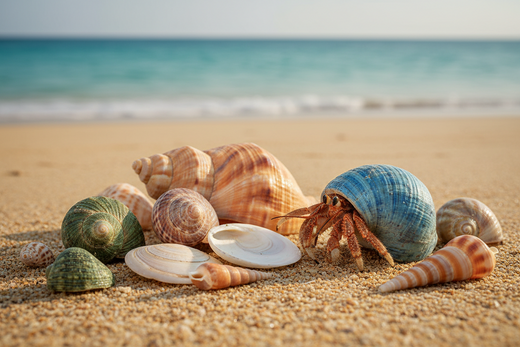
Why Extra Shells Matter for Pet Hermit Crabs
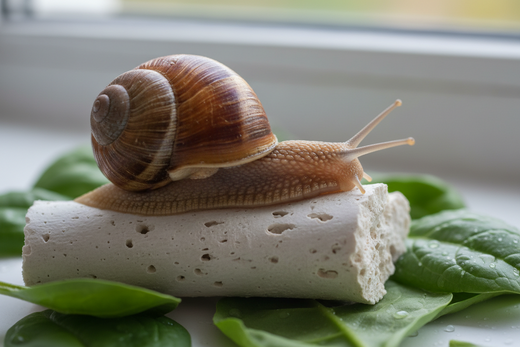
Why Calcium Matters So Much for Pet Snails
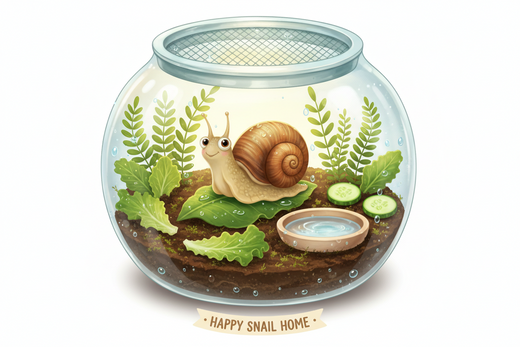
Pet Snail Care 101: A Simple, Humane Guide for Happy Snails
Why Are Snails Such an Easy and Fun Pet? Find Out Now!

Should You Use Gloves to Handle Snails? A Simple, Safe Answer for Families

Safe Snail Handling: Why Soap Residue Can Harm Snails (and the Right Way to Wash Hands)

Kids + Pet Snails: The 7 Family Rules for Safe Handling (No Soap, No Stress)

Handling Pet Snails: How to Reduce Stress and Keep Shells Safe (Family Guide)
The whole guide, free to read right here — habitat, diet, lighting, troubleshooting and a first-48-hours quick start. No email required.
A pet land snail is one of the gentlest, quietest, most surprisingly charming animals you can bring into a home. There is no barking, no 3 a.m. wheel-running, and no heat lamp. There is a small, patient creature gliding up the side of its enclosure after dark with its eyestalks swaying like tiny periscopes, working through a slice of cucumber with a surprisingly audible little crunch. But "easy" is not the same as "effortless," and a snail is not a houseplant with a shell. Snails need steady moisture, a constant supply of calcium, clean food, careful hands, and a keeper who has checked the law before buying. This guide walks you through all of it: what is legal, what to set up, what to feed, how to read a shell, and when to ask for help. Read the Quick Start first, read the legality section in Meet Your Snail before you buy anything, and then settle in. These animals can live for years, and the slow pace is the whole point.
What needs to be in the house on day one, and what to look for in each category. No brands, no shopping-list tyranny. Just the categories that matter.
Ready to set up? Browse the essentials in our collections: Pet Snails.
Enrichment, one click away. Shop Pet Snails.
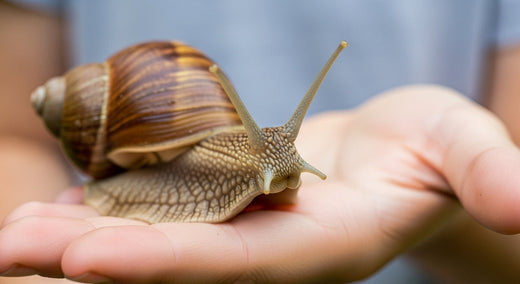
Land snails are gastropods — a word that comes from the Greek for "stomach foot," which is a pretty accurate description of how they get around. A snail glides on a single muscular foot, lubricated with mucus, with a coiled shell on its back that grows as the animal does. The soft body can pull completely inside the shell when threatened, dried out, or cold. At the front are two pairs of tentacles: the long upper pair carries the eyes at the tips, and the shorter lower pair does the smelling and tasting. The eyes sense light and shadow and not much more. The nose does most of the work.
Inside the mouth is the radula, a ribbon-like tongue covered in thousands of microscopic teeth, which scrapes and rasps food into manageable pieces. Put your ear near a snail's enclosure at night, and you may actually hear it. Over the soft body sits the mantle, the thin layer of tissue that secretes the shell and covers the breathing opening (the pneumostome) on the side of the body. A snail's mantle edge is the part that builds and repairs the shell, which is why healthy mantle tissue and plenty of calcium matter so much.
Giant African land snails (Lissachatina fulica and other Achatinidae, including Achatina species) are prohibited in the United States without a USDA permit. They are destructive agricultural pests that eat hundreds of kinds of plants and damage crops and structures, and they can carry rat lungworm (Angiostrongylus cantonensis), a parasite that can cause serious illness in people. Please do not buy them, keep them, breed them, or release them, however friendly or beautiful a seller makes them sound. They are sometimes sold online or at shows under the names "giant snails" or "Achatina," and being offered one does not mean it is legal. If you already have one, do not release it; contact your state department of agriculture or USDA APHIS for guidance.
None of that should scare you away from snails in general. It is the reason to be careful about which snail, from whom, and where.
Commonly kept temperate species such as the common garden snail (Cornu aspersum) and the Roman or Burgundy snail (Helix pomatia) are widely sold, but rules differ by state, and some states restrict even snails that are common elsewhere. Do not assume any species is allowed everywhere. Check first.
Legal-species checklist — confirm every item before you buy:
The snail in your garden is not a free pet. Wild snails can carry parasites and rat lungworm, they may have eaten plants treated with pesticides, and they are often infected with organisms that do not show until weeks later. Wild snails also carry the risk of spreading disease or species into the wrong place. Keep your garden snails in the garden, and keep captive-bred snails in captivity.
| Trait | Detail |
|---|---|
| Common name | Pet land snail (commonly kept temperate species, e.g., common garden snail, Roman or Burgundy snail) |
| Scientific names | Examples: Cornu aspersum, Helix pomatia — check legality for your state first |
| Not legal without a permit | Giant African land snails (Lissachatina fulica, Achatina and other Achatinidae) |
| Typical size | Shell roughly 1 to 2 inches across, depending on the species |
| Typical lifespan | 2 to 5+ years with good care |
| Activity pattern | Nocturnal and crepuscular — most active at night, dusk, and after misting |
| Social structure | Peaceful; can live in small groups |
| Reproduction | Hermaphrodite — each snail has both male and female reproductive organs |
| Diet | Herbivore — fresh vegetables plus constant calcium |
| Care level | Low-cost, low-noise, but it requires steady moisture, careful hygiene, and legal diligence |
With good care, commonly kept temperate garden-type snails live roughly 2 to 5 years or more, and some individuals live longer. Lifespan depends on species, genetics, humidity, diet, calcium, and how often a snail is disturbed. A snail that is kept evenly damp, fed well, and left to sleep through the day is simply a longer-lived snail.
Snails are nocturnal. During the day they tuck into a hide or burrow into the substrate and rest, often sealed in their shell. As evening comes and humidity rises, they emerge, extend their eyestalks, and begin to forage. After a light misting, activity usually picks up within minutes. A snail that is crawling up the glass at 10 p.m. is a healthy, normal snail. One that is sealed up for a whole day with no reaction to misting is a snail to check on.
Eyestalks are the best mood meter you have. Fully extended and swaying means calm and curious. Pulled in partway means startled. Pulled all the way in, with the head retracted, means a snail that feels unsafe, dry, or cold. Snails can regrow a damaged eyestalk, but it is stressful, so never poke at them.
Snails also burrow. Do not panic when your snail vanishes into the substrate for a day or two; it is doing what snails do. Gently check the dampness of the substrate and look again after dark.
Mystery or apple snails, nerite snails, assassin snails, and ramshorn snails are freshwater species kept in aquariums, with entirely different needs: water chemistry, filtration, temperature, tank mates, and algae and food sources. Everything in this guide describes land snails. If an aquatic snail is what you have, see our Freshwater Aquarium guide, which covers them properly.
Snails are hermaphrodites, which means each animal carries both male and female reproductive organs. Many species still need a partner to exchange genetic material, but some can lay fertile eggs without one. Whichever it is, a healthy adult may dig a small hole in the substrate and lay a clutch of small, round, pearly eggs, sometimes dozens at a time. Plan for this before it happens. Hatchlings are tiny, many hatch at once, and they must never be released outdoors. Release spreads pests and disease and is illegal in many places. If you do not want to raise babies, talk to an exotic vet or an experienced keeper about humane options. Check that any rehoming is legal and goes to a keeper who is prepared for the species.
Four things catch most first-time snail keepers off guard. The first is how much they eat. A small group can work through a surprising pile of vegetables, and a snail's droppings take on the color of whatever it ate, so orange from carrot or green from romaine is normal. The second is how much moisture they need. A snail left slightly dry is not just uncomfortable; it can seal itself up and slip into dormancy. The third is how easily they escape. Snails can squeeze through a hole that seems far too small and climb surfaces most animals cannot. The fourth is how fragile that beautiful shell is. A shell that looks tough can crack when dropped, squeezed, or pulled, and can thin quietly when calcium is short. Once you understand these four things, the rest is gentle routine.
For two or three small snails, plan on 5 to 10 gallons of enclosure, and think in floor space rather than height. Snails travel along surfaces. A wide, shallow tub gives them more ground to explore, more room for a moist end and a drier end, and less distance to fall. A tall tank gives them a long climb and a long drop. Snails can fall and crack their shells, so keep climbing furniture low and stable.
Then think about the lid, because the lid is where most snail stories go wrong. A snail can squeeze through a gap you would not believe and can climb clean up a smooth wall and across an upside-down ceiling. Use a secure lid with fine ventilation: mesh or small drilled holes at the top, a snug fit with no gaps at the corners, and a latch or weight on top. Check the seam every day for the first week. A snail found wandering the kitchen counter is a snail that has been busy at night, and it needs to go back into the enclosure on a damp hand, not be pulled off a surface.
Ventilation matters as much as the lid. Without airflow, you get stale air, mold, and bacterial slime. With too much airflow, the substrate dries out. Small ventilation holes near the top, with a lid that otherwise seals well, usually strike the balance. If humidity drops too far, cover part of the vent area; if the glass is constantly streaming with condensation and the substrate smells sour, open it up.
Picture the enclosure from above and from the front. Here is the layout, zone by zone.
| Zone | Where it goes | What goes there | Why it matters |
|---|---|---|---|
| Moist zone | One end of the enclosure (about a third to a half of the floor) | Damp substrate, a pad of damp sphagnum or leaf litter, a bark hide | Keeps the foot moist and gives the snail a place to rest during the day |
| Dry zone | The opposite end (about a third of the floor) | Slightly drier substrate, a flat stone or bark, the feeding dish | Lets snails choose; reduces mold under food; helps you spot problems |
| Hide | In or near the moist zone | A curved piece of bark, a cork round, or a half-buried hollow | Daytime shelter that stops stress and drying out |
| Water dish | Middle of the enclosure, between the zones | A very shallow dish with pebbles so snails can climb out | A drinking and soaking spot with no drowning risk |
| Feeding dish | In the drier zone | A flat saucer or tile | Keeps food off the substrate so it does not rot into it |
| Calcium station | Beside the feeding dish | Cuttlebone, crushed oyster shell, or baked eggshell | Always available, day and night |
| Climbing furniture | Low, stable, mid-enclosure | Bark, smooth stones, a low branch | Exercise and variety; keeps any fall short |
| Lid | Top of the enclosure | Fine ventilation, secure closure | Air in, snails in |
Now put it together from the front. Along the left side, a thick, damp substrate bed, a curved bark hide half-buried at the back, and a scatter of leaf litter. In the center, the shallow water dish ringed with pebbles, sitting in a slight hollow so the rim is not a cliff. On the right side, a slightly drier slope of substrate, a flat feeding dish, and the calcium station right next to it. Across the top, the lid with its fine ventilation, closed tight. Everything is within crawling distance, nothing is high enough to fall from, and a snail that is too dry can move left while one that is too damp can move right.
Rinse the enclosure with hot water only, never soap or disinfectant. Mix the substrate with dechlorinated water until a squeezed handful holds together but drips only a drop or two, spread it 2 to 3 inches deep with the moist end a little deeper, press hides in so they cannot tip, sink the water dish so its rim sits flush with the substrate, and close the lid. Wait a few hours, read your numbers, and adjust before the snail arrives.
Pick a spot with steady room temperature, away from windows with direct sun, radiators, heating vents, and drafty doors. A closed-in plastic tub in direct sunlight turns into an oven in minutes. A shelf in a quiet room with ordinary room light is ideal. Snails do not need a special lamp.
Substrate is not just flooring for a snail. It is a bedroom, a bathroom, a dining table, a nursery, and a humidity reserve all at once. A good substrate holds moisture, lets a snail burrow, stays clean, and contains nothing that can poison a soft-bodied animal that absorbs substances through its foot.
| Substrate | Best for | Performance | Notes |
|---|---|---|---|
| Coco fiber (coco coir), plain | All snails, all ages | Holds moisture well; soft underfoot; easy to burrow in; low odour | Buy plain, additive-free coir. Rinse if it feels salty. Keep damp, not waterlogged |
| Pesticide-free, fertilizer-free organic topsoil | Adults and juveniles | Natural feel; good for burrowing; supports a healthy microbe balance | Read the bag carefully: no fertilizer, no wetting agents, no added pellets. Mix about half and half with coir for the best texture |
| Coir and organic topsoil mix | The standard blend | Moisture-holding and burrow-friendly; resists compaction | Keep 2 to 3 inches deep. Stir gently at deep-cleans |
| Damp sphagnum moss (accent) | The moist zone | Keeps a patch consistently humid; good hide cover | Use as a pad, not as the entire floor. Replace when it sours |
| Leaf litter and bark (top layer) | Surface cover and hides | Gives shade, hiding places, and natural grazing texture | Use clean, dried, pesticide-free leaves; replace regularly |
| Paper towel | Quarantine, a sick snail, a temporary tub | Easy to inspect; no particles; trivially replaced | Keep damp; not a long-term home |
| Cedar or pine shavings | Avoid outright | Aromatic oils irritate and can poison | No safe use for snails |
| Cat litter | Avoid outright | Clumping and chemical additives; drying; dusty | Never appropriate |
| Fertilized potting mix, or soil with additives | Avoid outright | Fertilizer pellets, wetting agents, and slow-release chemicals harm snails | Check the ingredient list on every bag |
| Sand and gravel | Avoid | Poor moisture retention; abrasive on the foot; no burrowing | Not suitable as a floor |
| Wild-collected soil or leaf litter | Avoid | Could carry pesticides, parasites, and unwanted hitchhikers | Buy clean material from a trusted source |
These never go in a snail enclosure, at any age, in any amount:
Spot-clean daily: remove droppings, old food, and any dead leaf matter that looks slimy. Every week, stir the top layer gently and check dampness. Every month, replace the top inch or two and refresh the leaf litter. Every few months, replace the whole substrate. If you smell sourness or rot, replace the affected area at once. Sour substrate means poor ventilation, too much food, or too much water.
Snails are made of soft, moist tissue wrapped in a thin skin, and they lose water constantly through the foot. That is why humidity is the number that matters most. Warmth is the second, because it controls how active they are and how fast they dry out. Light is the third, and it is mostly a question of what to avoid. Get these three right and the rest of snail keeping falls into place.
| Parameter | Target value | How to measure it | What goes wrong when it's off |
|---|---|---|---|
| Humidity | 70 to 90% in the moist zone, with a drier area; substrate damp but not waterlogged | Digital hygrometer at mid-height; the squeeze test on the substrate | Too low: dehydration, sealed-up snails, shell damage, slime that dries out; too high with no airflow: mold, bacteria, stagnant air, sour smell |
| Temperature | About 65 to 78°F | Digital thermometer at mid-height, checked day and night | Too cool: snails seal up and become inactive, appetite drops; too warm: dehydration, stress, overheating, and death in a hot spell |
| Light | Ordinary room light on a day and night cycle; no direct sunlight | Observe the enclosure at different times of day; keep it away from windows | Direct sun: rapid overheating inside a small tub; constant bright light: stress and poor rest; no UVB needed |
| Substrate moisture | Damp throughout; a clump holds together but releases only a drop or two when squeezed | The squeeze test, weekly | Bone dry: dormancy and dehydration; soggy: anaerobic substrate, bacteria, and sour smells |
| Airflow | Gentle ventilation at the lid; no stale smell | Smell test; watch for condensation patterns | Stagnant air: mold and bacterial growth; too much airflow: fast drying |
Aim for 70 to 90% in the moist zone, and make sure there is a drier area so a snail can choose. Mist with dechlorinated water once or twice a day, enough to leave fine droplets on the walls and substrate surface but not a pond at the bottom. Do not spray the snail directly with a hard jet. A snail that is damp, gliding, and extending its eyestalks is in the right range.
If the hygrometer reads low, mist more often, add damp moss in one corner, or reduce ventilation slightly. If it reads high and the glass is streaming and the substrate smells sour, increase airflow, thin the damp layer, and clear away old food. Always keep that drier zone, since a snail trapped in a permanently saturated enclosure can develop shell and skin problems.
Most commonly kept temperate species do well at about 65 to 78°F, which is where most living rooms and bedrooms sit anyway. That means no heater is needed in most homes. Avoid heat mats under the tub and avoid lamps. They dry out the substrate and can overheat a small enclosure quickly. If your room regularly drops well below the range, move the enclosure to a warmer room instead of adding heat. If your room gets above the range in summer, move it to the coolest room, away from windows, and consider mist and ventilation to help. A hot car, a sunny windowsill, and a room with no cooling in a heatwave are the usual causes of overheating, and overheating can kill snails faster than almost anything else.
Cooler seasonal temperatures can slow snails down and send them into dormancy. That is natural, but a pet snail does not need to be pushed into it. Keep conditions steady and let them be active.
Snails do not need UVB, heat lamps, or special lighting. They do best with a normal day and night cycle: room light in daytime, darkness at night, about 10 to 12 hours of each. Keep the enclosure out of direct sun. If you want to look at your snails after dark, use a dim light briefly. They will be out and about, and that is when they are most fun to watch.
Pet land snails are herbivores, and they are enthusiastic ones. In the evening, a hungry snail will head straight for fresh vegetables and spend an hour or two rasping away with its radula. The key to a healthy snail diet is variety, freshness, and calcium. Rotate a few vegetables across the week, keep everything clean, and always leave a calcium source in the enclosure.
Wash all produce thoroughly. Organic is best, and homegrown produce from a garden you know was never sprayed is better still. That is the Walnut Creek way: no mystery ingredients. Anything that has been sprayed with pesticide can poison a snail, and a snail absorbs what it touches as well as what it eats.
| Food | Category | Frequency | Notes |
|---|---|---|---|
| Romaine lettuce | Staple leafy green | Several times per week | Reliable favorite; washed, torn into pieces |
| Cucumber | Staple vegetable | Several times per week | Hydrating; thin slices with the peel washed well; snails love it |
| Carrot | Staple vegetable | Several times per week | Grated or in thin slices; adds color and vitamin A |
| Zucchini | Staple vegetable | Several times per week | Thin slices or shreds; mild and well accepted |
| Sweet potato | Staple vegetable | Once or twice per week | Raw and finely grated, or lightly steamed and cooled; no butter or seasoning |
| Mushrooms (plain, store-bought) | Occasional treat | Once a week | Washed and sliced thin; never wild-collected mushrooms |
| Kale | Use in moderation | Once a week at most | Fine as part of a mix, not a daily staple |
| Bell pepper | Occasional | Once a week | Thin slices; most snails nibble it |
| Peas and green beans | Occasional | Once a week | Lightly steamed and cooled, chopped small |
| Squash and pumpkin | Occasional | Once a week | Thin slices or shreds; offer a little at a time |
| Food | Category | Frequency | Notes |
|---|---|---|---|
| Salty foods and salted vegetables | Never | Never | Salt dehydrates and can kill snails; even small amounts are harmful |
| Citrus fruits and juice | Never | Never | Acidic; irritates the skin and can harm the shell |
| Onion, garlic, leek | Never | Never | Harmful to snails and best kept out of the enclosure |
| Processed human food (bread, pasta, crackers, cooked meals) | Never | Never | Preservatives and additives; poor nutrition; spoils fast |
| Sugary foods and sweets | Never | Never | No nutritional value; spoils quickly; encourages mold |
| Anything with preservatives | Never | Never | Unsafe for a small, absorbent animal |
| Anything sprayed with pesticide | Never | Never | A leading cause of sudden snail death; wash all produce and buy organic where possible |
| Copper-containing products | Never | Never | Copper is toxic to snails; avoid copper-based sprays and fertilizers near food and enclosure |
| Spinach and beet greens | Limit | Rarely | Oxalates can bind calcium; choose romaine instead |
| Iceberg lettuce | Avoid as a staple | Rarely | Mostly water with little nutrition |
| Sweet fruit | Limit strictly | A tiny nibble now and then, or skip | Sugary; mold and attract pests; not needed |
| Wild plants and weeds | Avoid | Never | Unknown pesticide exposure and possible rat lungworm contamination |
Calcium is the building block of the shell. A snail with no calcium cannot grow or repair its shell, and the shell quietly thins, pits, and cracks. Provide calcium at all times, not just at mealtimes.
| Calcium source | How to offer it | Notes |
|---|---|---|
| Cuttlebone | Rest a piece on the substrate, rough side up | Snails rasp it as needed; replace when worn down |
| Crushed oyster shell | A small dish, or sprinkled over food | Plain, additive-free; crushed to small flakes |
| Baked, crushed eggshell | Rinse, bake until dry and brittle, crush finely | Baking sanitizes it; never use raw shell, which can carry bacteria |
Some snails prefer one source and ignore the others, so offer two. Watch which one is nibbled. A snail that is rasping at its calcium regularly is telling you something about its needs.
Snails are nocturnal, so feed in the evening, shortly before lights go down. Offer a small pile of fresh vegetables on the clean, flat feeding dish. Start with a portion about the size of the snails themselves per animal, and adjust over a few days: if everything is gone by morning, offer a little more, and if a lot is left over, offer less. Remove uneaten fresh food within 24 hours, because it rots, grows mold, and draws pests.
| When | What |
|---|---|
| Every evening | Fresh vegetables on the clean dish, washed and chopped small |
| All the time | Calcium source available; shallow water dish topped up |
| Each morning | Remove uneaten food, droppings, and anything slimy |
| Weekly | Rotate vegetables so no single food is the whole diet |
Keep a very shallow dish with pebbles so snails can drink and soak but always climb out. Refresh it daily with dechlorinated water, and rinse it with plain water. Mist for droplets on the walls and leaves, since snails will lap those up too.
A snail's shell is not a removable house. It is part of the animal, grown by the mantle from the inside out, and it records the snail's life like tree rings. Reading it is the single best way to judge how your care is going.
| Feature | Healthy shell | Unhealthy shell |
|---|---|---|
| Surface | Smooth, glossy, with clear growth lines and clean color banding | Chalky, dull, rough, flaking, or pitted with small holes |
| Thickness | Firm and solid; resists a very light touch | Thin, translucent, or soft; flexes or crumbles easily |
| Growing edge (lip) | Smooth, slightly flared, with fresh thin growth | Ragged, brittle, or stopped growing for a long time |
| Cracks | None | Hairline cracks, chips, or broken pieces |
| Color | Even, natural markings for the species | Pale, bleached, or eroded patches near the tip |
Pitting, thinning, chalkiness, or cracks usually point to one of three problems: low calcium, low humidity, or acidic conditions. Acidic substrate, acidic foods like citrus, and constant wetness with poor airflow all eat into shell. Dry air makes the snail seal up and stops it growing at all. Start with the basics: confirm the calcium source is there and being used, check humidity with your hygrometer, remove acidic foods, and refresh any sour substrate.
Snails repair their own shells. The mantle lays down new shell from the inside, and small chips and hairline cracks usually mend over weeks when calcium and humidity are right. Here is how to help:
A tiny chip at the lip, a pale old scar, or a patch repaired with slightly different coloring is common and fine. A large break with exposed body, a hole in the shell with fluid leaking, or a shell that keeps crumbling needs an exotic vet or a call to us the same day. Stress and shock are real in a damaged snail.
When a snail faces dry or cold conditions, it can retreat into its shell and seal the opening with a thin, papery film of dried mucus called an epiphragm. This is the sign of aestivation, a dormant, energy-saving rest that snails use to survive drought and heat (the same sealing can happen in cold, which is called hibernation). In a pet snail, an epiphragm almost always means one thing: it is too dry or too cold in the enclosure.
Do not panic and do not pull. An aestivating snail is alive, just paused. To wake it:
A snail that has been sealed for days and does not respond may be dead. See the FAQ on how to tell. Prevention is simple: keep it damp, keep it steady, and do not let the room dry out.
What you see: a snail sealed in its shell with a papery film across the opening; a dry, wrinkled, or sticky foot; no trail; a shell that feels light; substrate that is dusty to the touch. Why: humidity too low, substrate too dry, no drinking dish, too much ventilation, or a heat source drying the tub. What to do: mist the enclosure, dampen the substrate, offer a lukewarm shallow bath, and move the snail to the moist zone. Recheck the hygrometer and reduce ventilation slightly. When to ask for help: a snail that does not respond within a day, or one that looks shrunken inside the shell.
What you see: a chip, crack, or hole in the shell; a broken lip; exposed body tissue; clear or pale fluid at a break. Why: a fall from a high surface, a squeeze during handling, a drop, or a shell weakened by low calcium. What to do: move the snail to a quiet, damp, low enclosure with calcium and no climbing furniture. Keep humidity high and handling to a minimum. Do not glue or tape. When to ask for help: any break with exposed body or leaking fluid, or a crack that grows. Call an exotic vet or us the same day.
What you see: tiny, pale or reddish specks moving on the snail's body, around the breathing hole, or on the shell and glass; a snail that is restless or reluctant to come out. Why: snail mites hitch a ride on new animals or arrive on unwashed produce, decor, or wild-collected material. They thrive in damp, dirty conditions. What to do: remove uneaten food, replace the substrate and leaf litter, wash the snail gently with a soft damp touch, and clean the enclosure with hot water only. Do not use chemical mite treatments. When to ask for help: if mites keep returning, or the snail looks thin or sealed up. An exotic vet can advise on safe options.
What you see: white, gray, or green fuzzy patches on food, leaf litter, or the substrate; a sour or musty smell. Why: uneaten food left too long, poor ventilation, or too much water. What to do: remove the mold, the food, and any affected substrate immediately; increase airflow; reduce misting slightly; and refresh the feeding dish. A small spot of mold on old food is a housekeeping flag; a widespread problem means the whole tub needs a reset. When to ask for help: if the snail itself has fuzzy patches, or several animals stop eating.
What you see: discolored slime, foul smell, sores or pale patches on the foot or body, slimy froth around the breathing hole, a limp snail that will not retract. Why: dirty, stagnant, or waterlogged conditions; injuries that become infected; or stress. What to do: move the snail to a clean quarantine tub with damp paper towel, fresh air, and good hygiene; clean the main enclosure with hot water; and correct moisture and airflow. Do not use human medicines or antiseptics. When to ask for help: straight away. Infections can move quickly in small animals. Contact an exotic vet or us.
What you see: a chalky, thin, pitted, or cracked shell; slow or stopped shell growth; a soft lip; snails rarely seen near the calcium source. Why: no calcium available, a source the snail does not like, a diet heavy in oxalate foods, or acidic conditions. What to do: offer two calcium sources at all times, rotate vegetables, remove acidic foods, and refresh sour substrate. When to ask for help: if the shell keeps thinning after a month of corrected care, or there is soft damage.
What you see: sudden limpness, excessive frothy slime, a snail that hangs out of the shell and will not retract, twitching or curling, or several snails sick at once. Why: pesticide on produce, soap or cleaner residue, perfume, lotion, hand sanitizer, aerosol sprays in the room, copper products, or fertilizer in the soil. What to do: move the snail to a clean tub with damp, unscented paper towel, rinse it very gently with dechlorinated water, and remove the source. Ventilate the room. When to ask for help: immediately. Exposure can be fatal within hours. Call an exotic vet.
What you see: a snail missing from the enclosure; silvery trails on the lid, shelf, or floor; a lid pushed ajar. Why: a lid that does not seal, a gap at the seam, or ventilation holes that are too large. What to do: search at night, since snails move after dark; check damp, dark places and behind appliances. When you find one, let it crawl onto a damp, clean hand and return it. Fix the closure. A dried-out escapee needs a lukewarm bath. When to ask for help: if a missing snail is found dried out and unresponsive, or if you suspect it reached a place with chemicals.
What you see: a crack or break after handling, a dropped snail, a snail caught under a lid or furniture, or a shell squeezed in a child's hand. Why: snails are soft and shells are thin; small hands and quick movements are the main risk. What to do: follow the shell damage steps; keep handling gentle; use low, soft surfaces for sessions; and always check lids and furniture before closing. When to ask for help: any crush injury with exposed body or fluid, the same day.
What you see: a snail sealed up and still in a warm room; a dry or limp foot; heavy slime; a snail that crawls frantically toward the top of the tub; the tub warm to the touch. Why: direct sun on the enclosure, a heater, a hot car, or a room with no cooling in a heatwave. What to do: move the enclosure at once to a cool, shaded room; mist with cool dechlorinated water; offer a lukewarm shallow bath; and increase ventilation. When to ask for help: if the snail does not respond within hours. Heat can kill quickly.
| What you see | Likely cause | What to do | Urgency |
|---|---|---|---|
| Sealed up, papery film at opening | Dehydration or cold dormancy | Mist, raise humidity, lukewarm bath | Same day if no response |
| Chip or crack in shell | Fall, squeeze, or low calcium | Quiet, damp, low tub; calcium; no glue | Same day if body exposed |
| Tiny moving specks | Snail mites | Replace substrate; hot-water clean | Within days; sooner if snail is thin |
| Fuzzy patches, sour smell | Mold and poor airflow | Remove food and substrate; add ventilation | Within days if spreading |
| Foul slime, sores, limp body | Bacterial or fungal infection | Quarantine; clean; correct conditions | Same day |
| Chalky, pitted, thin shell | Calcium deficiency or acidity | Two calcium sources; rotate foods | Within a week if worsening |
| Frothy slime, twitching, sudden limpness | Chemical exposure | Clean tub; remove source; ventilate | Immediate |
| Missing snail, trails | Escape | Search at night; fix lid | Same day if dry or unresponsive |
| Heat-stressed, sealed up in warm room | Overheating | Cool shaded room; lukewarm bath | Immediate |
Snails are best treated as animals to watch rather than to carry around. Many are happiest in the enclosure, and every time you pick one up, you are asking a soft-bodied animal with a thin shell to trust you. But a gentle session now and then is part of the joy, and these are the family rules.
Do not handle a snail right after using cleaning products, hand sanitizer, lotion, or perfume. A snail absorbs what touches its foot, and even faint residue can cause illness. Wash well and rinse thoroughly. Wait until your hands feel clean and plain, and then go to the snail. The same rule applies to the room. Keep aerosol sprays, plug-in fresheners, and scented candles away from the enclosure.
Snails and children can be a lovely match when everyone follows the rules. Children should handle snails only while sitting on the floor or a soft surface, with an adult beside them and hands rinsed clean and damp. Teach the "open hand, flat palm" posture: no squeezing, no carrying while walking, no handling near the face or mouth. Everyone washes with soap and water afterward. Children under five or anyone with a weakened immune system should watch rather than hold, since snails can carry bacteria. Young kids often love just being allowed to feed the snail a slice of cucumber.
| Signal | What it means |
|---|---|
| Eyestalks fully extended and swaying | Calm and curious |
| Eyestalks partly retracted | Startled or checking something |
| Head and body pulled in | Stress, dryness, or cold |
| Tentacles curling or flinching | Contact with something unpleasant: residue, salt, acid |
| Rapid climbing to the lid | Possible overheating, dryness, or an escape attempt |
| Foam or froth at the breathing hole | Irritation; possible chemical exposure |
| How often | What to do |
|---|---|
| Daily | Mist with dechlorinated water; check the hygrometer and thermometer |
| Daily | Remove uneaten fresh food, droppings, and anything slimy |
| Daily | Offer fresh vegetables in the evening on a clean dish |
| Daily | Refresh the shallow water dish; confirm the calcium source is available |
| Daily | Check the lid closure and look for escapes |
| Daily | Look over each snail for eyestalk movement, a clean foot, and an intact shell |
| Weekly | Stir the top of the substrate gently; do the squeeze test for moisture |
| Weekly | Rinse the water dish and feeding dish with hot water only |
| Weekly | Rotate vegetables; replace worn cuttlebone or top up crushed shell |
| Weekly | Inspect shells for pitting, chips, or chalkiness |
| Monthly | Replace the top inch or two of substrate and refresh leaf litter |
| Monthly | Wipe the inside walls and lid with plain hot water; check for mold |
| Monthly | Check ventilation openings and the lid seal |
| Every few months | Replace the full substrate and deep-clean the enclosure with hot water only |
| Annually | Review your setup against this guide; check state rules again; locate your exotic vet |
Snails hide trouble well, and because they are small, problems can move fast. When you're uncertain, ask. There is no dedicated snail vet in most areas, so look for an exotic animal vet who treats invertebrates, or call us at (717) 983-8069 and we will talk it through.
Act today:
Book within a few days:
Bring or send photos, your temperature and humidity readings, the foods you have offered, and the products used near the enclosure.
Pet land snails are herbivores, and they do best on a rotation of fresh, washed vegetables such as romaine lettuce, cucumber, carrot, zucchini, sweet potato, and plain mushrooms, with kale in moderation. Offer a small portion in the evening, when snails are most active, and remove any uneaten fresh food within 24 hours. Always keep a calcium source in the enclosure, such as cuttlebone, crushed oyster shell, or baked, crushed eggshell. Avoid salty foods, citrus, onion, garlic, processed human food, sugary foods, anything with preservatives, copper-containing products, and anything sprayed with pesticide.
With good care, commonly kept temperate garden-type snails live roughly 2 to 5 years, and some live longer. Steady humidity, a clean enclosure, constant calcium, fresh food, gentle handling, and a stable room temperature help most. Lifespan varies by species, so ask the breeder about the species you are buying.
It depends on the species and your state. Giant African land snails, including Lissachatina fulica and other Achatinidae such as Achatina species, are prohibited in the United States without a USDA permit because they are destructive agricultural pests that can carry rat lungworm, so please do not buy, keep, breed, or release them. Commonly kept temperate species such as the common garden snail (Cornu aspersum) and Roman or Burgundy snail (Helix pomatia) are widely sold, but rules differ by state, so check with your state department of agriculture and USDA APHIS before you buy, and buy captive-bred snails only.
A ventilated container of about 5 to 10 gallons works well for two or three small snails. Floor space matters more than height, so choose a wide enclosure over a tall one, with 2 to 3 inches of damp substrate. The lid must be secure with fine ventilation, since snails are escape artists. Add more space if you keep more snails, and plan for room to build a moist zone and a drier zone.
Aim for roughly 70 to 90% humidity in the moist zone, with a drier area so snails can choose. Measure with a digital hygrometer, and mist with dechlorinated water once or twice a day. The substrate should be damp but not waterlogged. Ventilation is important too, because stagnant, wet air breeds mold and bacteria. If a snail seals itself up behind a papery film, humidity is the first thing to check.
Cracks, pitting, thinning, and chalkiness usually mean low calcium, low humidity, or acidic conditions, though a fall or squeeze can also crack a shell. Check that cuttlebone, crushed oyster shell, or baked eggshell is always available, confirm humidity with a hygrometer, and remove acidic foods and sour substrate. Small chips often repair themselves over weeks. Never glue or tape a shell. A break with exposed body or leaking fluid needs an exotic vet or a call to us the same day.
Yes, gently and occasionally. Rinse your hands very thoroughly with plain water so no soap, sanitizer, lotion, or perfume residue remains, and keep them clean and damp. Let the snail crawl onto your flat palm, support the whole foot, and never pull a snail off a surface. Keep sessions short, and wash with soap and water afterward, since snails can carry bacteria. Children should be seated and supervised.
Yes, absolutely. Calcium is what a snail builds and repairs its shell from, and a snail without it develops a thin, pitted, chalky, or cracked shell. Keep a source available at all times, whether cuttlebone, crushed oyster shell, or baked, crushed eggshell, and offer two options so the snail can choose. Watch to see which one is being nibbled.
Please don't. Wild-collected snails can carry parasites and rat lungworm, may have been exposed to pesticides, and can bring mites or disease into your home. They may also be a species that is restricted where you live. Enjoy wild snails in the garden, and if you want a pet snail, buy a captive-bred one of a species you have confirmed is legal for your state. Never release a pet snail outdoors, either.
Check three things. First, smell: a dead snail has an unmistakable foul, rotten odour, and if there is no smell, it is likely alive. Second, look: a snail hanging limply out of its shell, or one whose body is shrunken and dark and does not react to a gentle touch of the tentacles or foot, is a bad sign. Third, give it a lukewarm shallow bath of dechlorinated water for 10 to 15 minutes, since a snail sealed by dryness or cold will often wake. If there is no response after a day of correct humidity and warmth, or there is a foul smell, the snail has probably died. When in doubt, ask.
Ready to shop? Start with Pet Snails. 10% of every purchase supports no-kill animal shelters.
Before we earn a dime, 10% of every purchase at Walnut Creek Supply goes to no-kill animal shelters across the country. Not as an option at checkout, and not as a promotion. Off the top of every order, every day, because we believe responsible pet ownership and community care are the same commitment made in two directions.
For snail keepers, that commitment looks a little different. Snails are small, quiet, and easy to overlook, which is exactly why they deserve a keeper who has done the homework: the legal species, the captive-bred source, the damp substrate, the calcium, and the clean, residue-free hands. If you have read this guide, you have done that homework, and these animals are lucky to have you.
We're a family business in Christiana, Lancaster County, Pennsylvania. We grow our own food, tend our own animals, and stock the clean-label goods we would put in front of our own pets: no mystery ingredients, Clean Fuel, No Junk, and no snail ever leaves our care guides without an honest picture of what it needs. No soap, no stress. If you have a question about your snail's humidity, its shell, its calcium, or whether a species is right for your state, call us at (717) 983-8069. We would rather talk it through with you.
Welcome to years of slow, quiet, small-scale wonder.
_From our family to yours,_ Walnut Creek Supply — Christiana, Lancaster County, Pennsylvania _walnutcreeksupply.com_
Pet land snails are herbivores, and they do best on a rotation of fresh, washed vegetables such as romaine lettuce, cucumber, carrot, zucchini, sweet potato, and plain mushrooms, with kale in moderation. Offer a small portion in the evening, when snails are most active, and remove any uneaten fresh food within 24 hours. Always keep a calcium source in the enclosure, such as cuttlebone, crushed oyster shell, or baked, crushed eggshell. Avoid salty foods, citrus, onion, garlic, processed human food, sugary foods, anything with preservatives, copper-containing products, and anything sprayed with pesticide.
With good care, commonly kept temperate garden-type snails live roughly 2 to 5 years, and some live longer. Steady humidity, a clean enclosure, constant calcium, fresh food, gentle handling, and a stable room temperature help most. Lifespan varies by species, so ask the breeder about the species you are buying.
It depends on the species and your state. Giant African land snails, including Lissachatina fulica and other Achatinidae such as Achatina species, are prohibited in the United States without a USDA permit because they are destructive agricultural pests that can carry rat lungworm, so please do not buy, keep, breed, or release them. Commonly kept temperate species such as the common garden snail (Cornu aspersum) and Roman or Burgundy snail (Helix pomatia) are widely sold, but rules differ by state, so check with your state department of agriculture and USDA APHIS before you buy, and buy captive-bred snails only.
A ventilated container of about 5 to 10 gallons works well for two or three small snails. Floor space matters more than height, so choose a wide enclosure over a tall one, with 2 to 3 inches of damp substrate. The lid must be secure with fine ventilation, since snails are escape artists. Add more space if you keep more snails, and plan for room to build a moist zone and a drier zone.
Aim for roughly 70 to 90% humidity in the moist zone, with a drier area so snails can choose. Measure with a digital hygrometer, and mist with dechlorinated water once or twice a day. The substrate should be damp but not waterlogged. Ventilation is important too, because stagnant, wet air breeds mold and bacteria. If a snail seals itself up behind a papery film, humidity is the first thing to check.
Cracks, pitting, thinning, and chalkiness usually mean low calcium, low humidity, or acidic conditions, though a fall or squeeze can also crack a shell. Check that cuttlebone, crushed oyster shell, or baked eggshell is always available, confirm humidity with a hygrometer, and remove acidic foods and sour substrate. Small chips often repair themselves over weeks. Never glue or tape a shell. A break with exposed body or leaking fluid needs an exotic vet or a call to us the same day.
Yes, gently and occasionally. Rinse your hands very thoroughly with plain water so no soap, sanitizer, lotion, or perfume residue remains, and keep them clean and damp. Let the snail crawl onto your flat palm, support the whole foot, and never pull a snail off a surface. Keep sessions short, and wash with soap and water afterward, since snails can carry bacteria. Children should be seated and supervised.
Yes, absolutely. Calcium is what a snail builds and repairs its shell from, and a snail without it develops a thin, pitted, chalky, or cracked shell. Keep a source available at all times, whether cuttlebone, crushed oyster shell, or baked, crushed eggshell, and offer two options so the snail can choose. Watch to see which one is being nibbled.
Please don't. Wild-collected snails can carry parasites and rat lungworm, may have been exposed to pesticides, and can bring mites or disease into your home. They may also be a species that is restricted where you live. Enjoy wild snails in the garden, and if you want a pet snail, buy a captive-bred one of a species you have confirmed is legal for your state. Never release a pet snail outdoors, either.
Check three things. First, smell: a dead snail has an unmistakable foul, rotten odour, and if there is no smell, it is likely alive. Second, look: a snail hanging limply out of its shell, or one whose body is shrunken and dark and does not react to a gentle touch of the tentacles or foot, is a bad sign. Third, give it a lukewarm shallow bath of dechlorinated water for 10 to 15 minutes, since a snail sealed by dryness or cold will often wake. If there is no response after a day of correct humidity and warmth, or there is a foul smell, the snail has probably died. When in doubt, ask.
Every snail article we've published, in one place.