

Leaving already?
Can we tempt you with 5$ off your first order?
Min Order of $50


Care Guide & Supplies
Free backyard bird feeding guide and supplies: seed, suet, nectar, feeders, baths and nest boxes to bring birds to your yard.
Habitat, diet, lighting, troubleshooting and a first-48-hours quick start. Free, no email required — from our family in Lancaster County to yours.
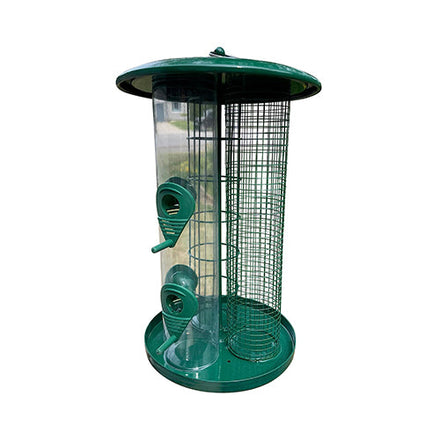
3-in-1 Outdoor Tube Bird Feeder for Small Wild Birds
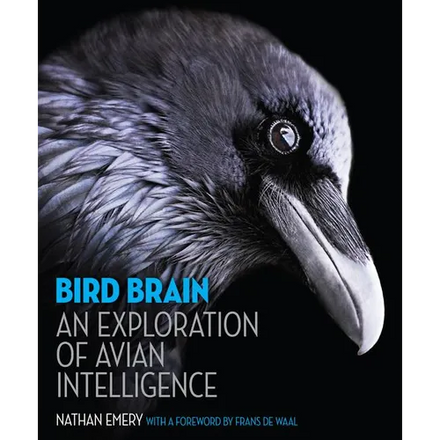
Bird Brain: An Exploration of Avian Intelligence - Hardcover
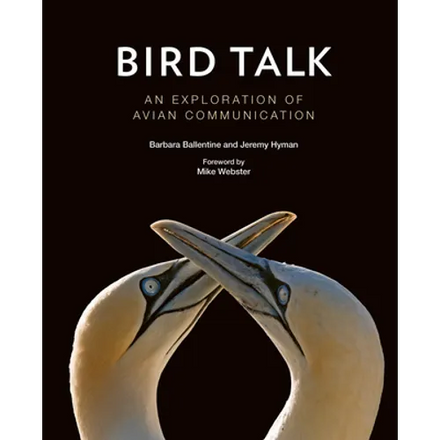
Bird Talk: An Exploration of Avian Communication - Hardcover
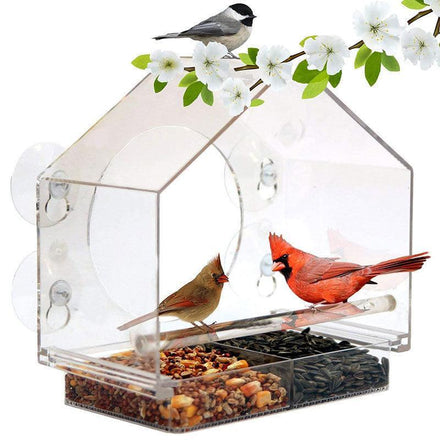
Bird's Eye View: Smart Bird Feeder With Live Camera Feed
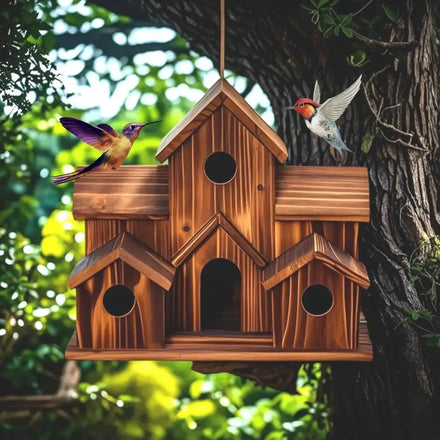
Brown Handmade Bird House
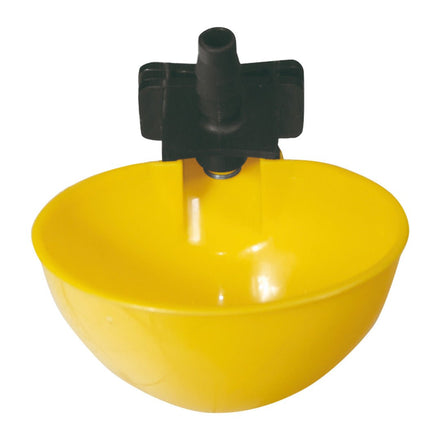
C-100 Seesaw Gravity-Fed Automatic Bird and Small Animal Waterer
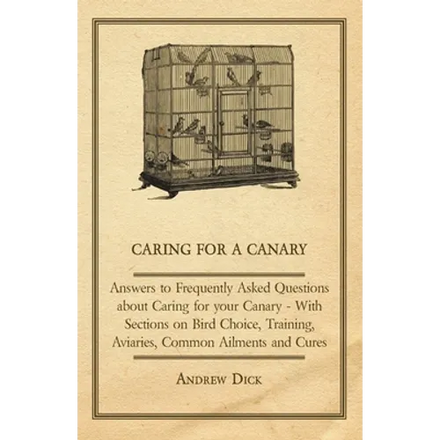
Caring for a Canary - Answers to Frequently Asked Questions about Caring for Your Canary - With Sections on Bird Choice, Training, Aviaries, Common Ai - Paperback
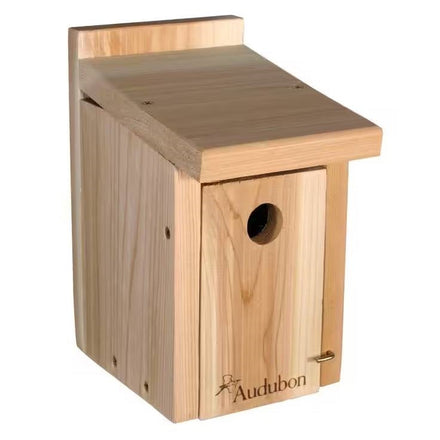
Cedar Wooden Bird House for Wrens and Chickadees
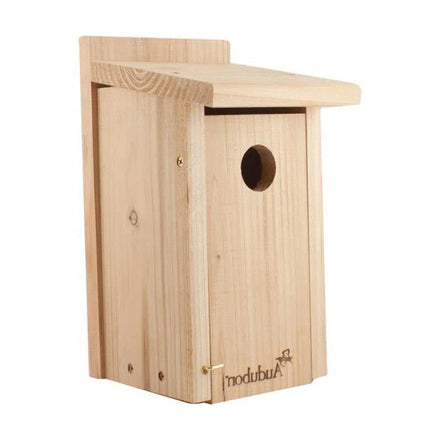
Classic Cedar Wood Bluebird Bird House
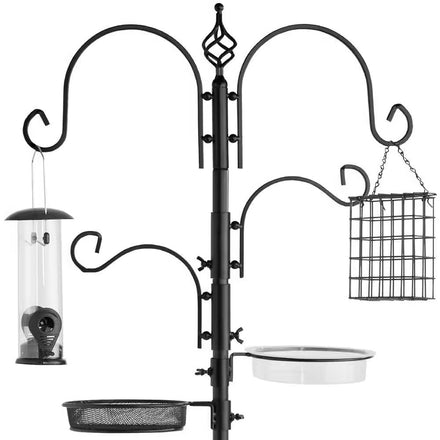
Complete Bird Feeder Set with Black Metal Stand and Bird Feeders
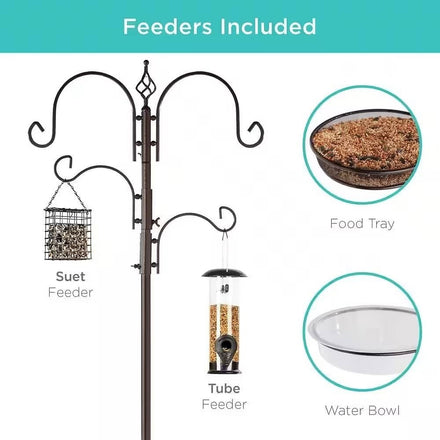
Complete Bird Feeder Set with Bronze Metal Stand Suet Water Bowl Tube and Tray
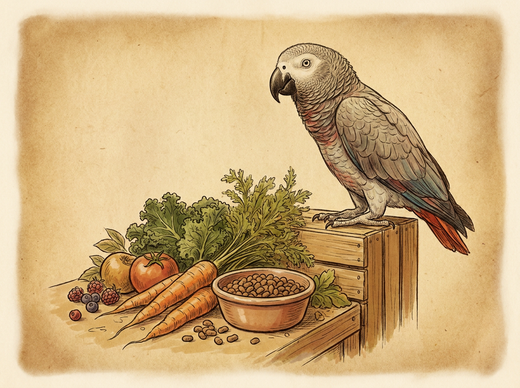
Parrot Diet Guide: Building Complete Nutrition for Long-Lived Companion Birds
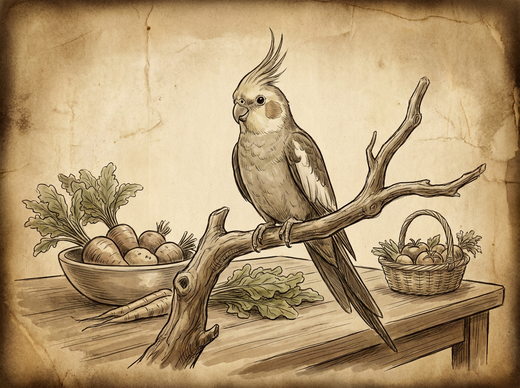
Cockatiel Care Essentials: Food, Perches, and Enrichment That Make the Difference
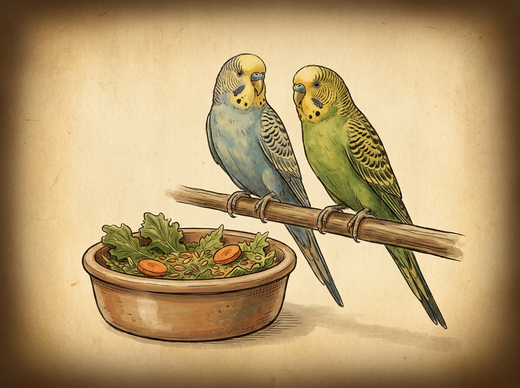
What to Feed a Parakeet: A Natural Diet That Goes Beyond Seeds
Cockatiel Care: Food, Enrichment, and the Setup That Keeps Cockatiels Thriving
What to Feed a Parakeet (Budgie): A Natural Diet Plan That Goes Beyond Seeds
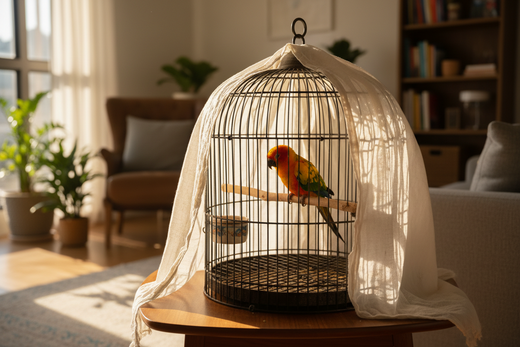
Why Pet Birds Need Quiet Rest Time
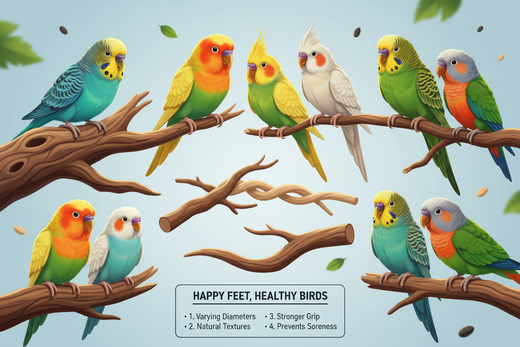
Why Perches Matter More Than Many Bird Owners Realize
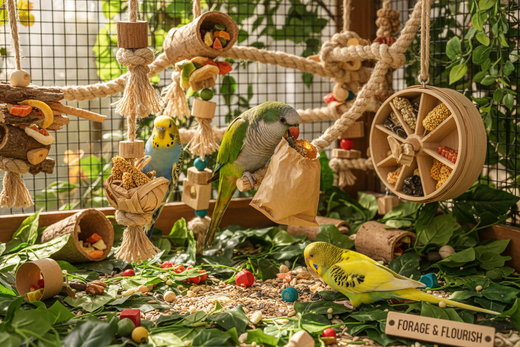
Why Foraging Matters for Pet Birds
The whole guide, free to read right here — habitat, diet, lighting, troubleshooting and a first-48-hours quick start. No email required.
There is a particular kind of quiet that settles over a kitchen on a frosty Lancaster County morning when a flash of red lands on the feeder outside the window. The coffee goes cold. Somebody whispers, "Cardinal!" as though saying it too loud might spook it. That small moment is what backyard bird feeding is really about: a front-row seat to wild lives going on a few feet from your table. This guide is about wild birds, the chickadees, finches, woodpeckers, hummingbirds and jays that visit your yard on their own terms. It is not about keeping pet birds. Wild birds are not ours to own, and the best backyard is one where they come and go freely, find honest food, clean water and safe cover, and are never harmed by our good intentions.
We wrote this for Pennsylvania and the Mid-Atlantic, because that is where we live, garden and feed birds ourselves, but nearly everything here applies across the country. You will find what to buy and where to hang it, what to feed and what never to feed, how to keep feeders clean so they help birds instead of hurting them, how to handle bird flu season, how to cope with squirrels, bears and hawks, and what to do when you find a baby bird on the lawn. Read the Quick Start first, put out one feeder, and give the birds a few days to find you. Patience is the whole trick.
What to have on hand before the first bird arrives, and what to look for in each category.
Ready to set up? Browse the essentials in our collections: Wild Birds & Large Flocks.
Enrichment, one click away. Shop Wild Birds! - Large Flocks Too!.
Pennsylvania sits on a crossroads. In a single year your yard can host year-round residents that never leave, winter visitors that arrive when the north gets too cold, summer breeders that come back to raise young, and migrants that simply pass through on the way somewhere else. Knowing which is which helps you offer the right food at the right time and set realistic expectations. If a bird you expected disappears in late summer, it is probably not your fault; it may be heading south.
Birds also use feeders in different ways. Some perch and pick one seed at a time. Some hang upside down. Some stay on the ground and scavenge what falls. Some skip seed entirely and want suet, nectar or fruit. Offering a variety of feeder types is how you reach the variety of birds.
| Bird | Status in Pennsylvania | What it eats at feeders | Where it feeds |
|---|---|---|---|
| Northern Cardinal | Year-round resident | Black-oil sunflower, safflower, cracked corn | Ground, platform, hopper |
| Black-capped Chickadee | Year-round resident (northern and higher-elevation areas; Carolina Chickadee in the south) | Black-oil sunflower, suet, peanuts, mealworms | Tube, hopper, suet cage |
| Tufted Titmouse | Year-round resident | Black-oil sunflower, suet, peanuts | Hopper, tube, platform |
| American Goldfinch | Year-round resident, more numerous in winter and summer | Nyjer, black-oil sunflower, hulled sunflower | Nyjer sock, tube |
| Dark-eyed Junco | Winter visitor | White proso millet, cracked corn, small seeds | Ground, platform |
| White-breasted Nuthatch | Year-round resident | Black-oil sunflower, suet, peanuts | Suet cage, hopper, tree trunks |
| Downy Woodpecker | Year-round resident | Suet, black-oil sunflower, peanuts | Suet cage, tube |
| Blue Jay | Year-round resident, some migrate | Peanuts in the shell, black-oil sunflower, cracked corn | Platform, ground |
| Eastern Bluebird | Resident and short-distance migrant | Mealworms, suet, fruit, berries | Platform, open tray, nest box |
| Carolina Wren | Year-round resident | Suet, mealworms, peanut bits | Suet cage, ground, platform |
| Mourning Dove | Year-round resident | White proso millet, cracked corn, black-oil sunflower | Ground, platform |
| House Finch | Year-round resident | Black-oil sunflower, nyjer, hulled sunflower | Tube, hopper |
| Ruby-throated Hummingbird | Summer migrant | Nectar (1 part sugar to 4 parts water), small insects | Nectar feeder, flowers |
| Baltimore Oriole | Summer migrant | Orange halves, grape jelly, nectar | Oriole feeder, platform |
Treat this chart as a starting point. Regional range, elevation and habitat shift what you see, so a good field guide or a local bird club is your best guide to your own backyard.
Residents such as cardinals, chickadees, titmice, nuthatches, Carolina wrens and downy woodpeckers stay all year. These are the birds you will come to know as individuals, and they depend most on your feeders in the lean weeks of late winter. Winter visitors like juncos arrive in October and head north in spring. Summer migrants like hummingbirds and orioles show up in spring and leave by early fall. Some birds, including goldfinches, blue jays and bluebirds, are partial migrants: some individuals stay and some go, depending on food and weather.
Two species are not native to North America and were introduced by people in the 1800s: the House Sparrow and the European Starling. Neither is protected by federal bird laws in the same way native birds are, but local and state rules vary, so check yours before taking any action. Both compete aggressively with native cavity nesters, including bluebirds, chickadees and wrens, for nest holes, and they can dominate feeders.
Practical, humane ways to handle them:
The right feeder matters as much as the right seed. Different birds have different habits, and a mix of feeder styles is what turns a yard with two species into a yard with twelve. Whatever you choose, favor feeders that come apart easily, are made of materials you can scrub, and hold only a few days of seed.
| Feeder type | Best for | What to put in it | Notes |
|---|---|---|---|
| Tube feeder | Chickadees, titmice, finches, nuthatches | Black-oil sunflower, hulled sunflower, safflower | Easy to hang. Look for metal ports and a removable base for cleaning. |
| Hopper feeder | Cardinals, jays, grosbeaks, many songbirds | Black-oil sunflower, safflower, seed blends without filler | Roofed to keep seed dry. Holds more seed, so check for moisture often. |
| Platform or tray feeder | Ground feeders, doves, juncos, bluebirds, cardinals | White proso millet, cracked corn, mealworms, fruit | Add drainage holes or a mesh bottom. Clean often since it is open to weather. |
| Suet cage | Woodpeckers, nuthatches, chickadees, wrens | Suet cakes, no-melt suet in heat | Best in cool weather. Hang near a tree trunk or branch. |
| Nyjer or thistle sock | American Goldfinch, House Finch, siskins | Nyjer seed | Fine-mesh sock or tube with tiny ports. Replace seed that clumps or smells off. |
| Hummingbird nectar feeder | Hummingbirds, occasionally orioles | Plain sugar water at 1 part sugar to 4 parts water | Clean thoroughly every time you refill. Ant moat helps. |
| Oriole feeder | Baltimore Orioles, other fruit lovers | Orange halves, jelly, nectar | Bright orange color attracts them. Put out in early May. |
| Window feeder | Close-up viewing from indoors | Small amounts of sunflower, millet | Attaches to glass with suction cups. Birds see the glass as part of the feeder. |
Think like a bird. Every time a bird comes to a feeder, it is deciding whether it is worth the risk. Give it good options.
Birds fly into windows because they see reflections of sky and trees, or they see through a window to a plant beyond. A feeder placed within about 3 feet of the glass means birds cannot reach dangerous speed before they land. A feeder placed more than about 30 feet away gives them room to see the glass as an obstacle. The middle distance is the danger zone. Treat these figures as common guidance rather than guarantees, and combine them with decals, screens or tape patterns on large reflective panes.
Mount feeders on a metal pole at least 5 to 6 feet off the ground, with a cone or dome baffle mounted below the feeder, at least 4 to 5 feet up the pole. A baffle only works if squirrels cannot jump around it, so keep poles well away from trees, fences, sheds and railings. A baffle hung above a feeder also protects hanging feeders from squirrels climbing down from a branch.
If you live in bear country, which includes much of northern and central Pennsylvania and many Mid-Atlantic and mountain states, birdseed, suet and sugar water are all attractants. Bears can destroy feeders and become habituated to people's homes, which often ends badly for the bear.
Here is how one small suburban or country yard might be arranged. It is meant as a map, not a blueprint, and you can adjust for your own space.
| Where in the yard | What to place there | Why |
|---|---|---|
| North fence or hedgerow | Native shrubs, a brush pile, serviceberry, and a bluebird nest box | Cover, berries and nesting close to the edge of the yard |
| About 10 feet from shrubs | Feeder pole with a baffle: tube feeder, hopper feeder and suet cage | Birds can dash to cover but squirrels cannot leap onto the feeders |
| Ground level beside the pole | Platform feeder | Doves, juncos and sparrows feed from the ground |
| In the open, with a shrub 10 to 15 feet away | Shallow bird bath | Clear sight lines for safety, with quick cover nearby |
| Near flowers, in morning sun and afternoon shade | Hummingbird feeder | Nectar stays fresh longer out of the hottest sun |
| A sunny bed | Coneflower and milkweed | Seeds, nectar and caterpillar food |
| Near the house | Any window feeder | Within about 3 feet of the glass or beyond about 30 feet, to reduce window strikes |
Seed gets the attention, but water is often the bigger draw. Birds need to drink and bathe all year, and a reliable water source can bring warblers, thrushes and waxwings that never touch a feeder.
Many birds nest in cavities, and a properly built box can give them a safe place to raise a family. Some of the most common choices in Pennsylvania are listed below. The hole sizes and heights are widely used guidance, not hard law of nature. Before you build or buy, check with a nest box program in your area, such as a state bluebird society or a local Extension office, because recommendations vary by region and species.
| Species | Hole size | Mounting height | Habitat notes |
|---|---|---|---|
| Eastern Bluebird | About 1.5 inches | Roughly 4 to 6 feet | Open lawn or field edge with scattered trees; space boxes well apart |
| Black-capped or Carolina Chickadee | About 1 1/8 inches | Roughly 5 to 10 feet | Wooded edges and yards with mature trees |
| House Wren | About 1 inch | Roughly 5 to 10 feet | Brushy areas, near shrubs and thickets |
| Tufted Titmouse | About 1 1/4 inches | Roughly 5 to 10 feet | Wooded yards |
| Tree Swallow | About 1.5 inches | Roughly 5 to 6 feet | Open fields and near water |
If feeders are the sandwich, habitat is the whole kitchen. Feeders are supplemental. Native plants, insects, water and cover are what birds really need. And here is the secret experienced bird lovers share: the more natural food you plant, the less your feeders have to do.
Birds use a yard in layers, like the floors of a house:
Native plants evolved alongside local insects and birds. They host more caterpillars than most non-native ornamentals, which makes them a nursery for baby birds. General examples to consider, always checking that they are native and suited to your specific county or region:
Your local Extension office or native plant society can provide lists of natives that suit your soil and light. Most nurseries now label natives clearly.
A tidy yard is a hungry yard for birds. Leave leaf litter under trees and shrubs where insects overwinter. Leave seed heads standing through winter. Leave a brush pile in a quiet corner. Delay the garden cleanup until spring, when temperatures are steadily warm.
Insecticides kill the caterpillars birds need and can poison birds directly. Herbicides remove the plants insects rely on. Rodent poisons move up the food chain and can kill owls and hawks. If a pest problem demands a response, pick the least harmful option and use it sparingly.
Outdoor cats, including well-fed ones, kill large numbers of birds every year. A cat indoors is a cat safe from cars, predators and disease, and a yard full of birds is a yard that can truly relax. If your cat loves the outdoors, a screened enclosure, or a harness and leash, gives the best of both worlds. Please also keep birdseed away from areas where cats can lie in wait.
Many migrating songbirds fly at night and are drawn to bright lights. Turning off unneeded outdoor lights, especially during spring and fall migration, helps. Use shielded, downward-facing fixtures and warm bulbs. Treat large windows with decals, patterns or screens placed on the outside of the glass.
Clean Fuel, No Junk is how we feed our own animals, and it applies to wild birds too. The goal is not to fill a feeder with whatever is cheapest. It is to offer a few honest, high-energy foods that real birds want, and to keep them fresh. A bag of cheap mixed seed full of red milo, wheat and filler often ends up as a pile of rejected waste under the feeder, which attracts rats and grows mold. A smaller selection of better foods does more good.
| Food | Best for | Why it works | Notes |
|---|---|---|---|
| Black-oil sunflower | Nearly everything: cardinals, chickadees, titmice, finches, nuthatches, jays | High in fat and calories, thin shell, easy to crack | The best single seed if you offer only one |
| Hulled sunflower (sunflower chips) | Same birds, with less mess | No shells to clean up | Spoils faster and costs more, so offer in smaller amounts |
| Safflower | Cardinals, grosbeaks, chickadees, doves | Bitter to squirrels and grackles, which often leave it alone | Some birds need time to accept it |
| White proso millet | Ground feeders: juncos, doves, sparrows, towhees | Small, round and loved by ground feeders | Scatter or use a platform feeder |
| Nyjer (thistle) | American Goldfinch, House Finch, siskins | Tiny, oily seed | Use a fine-mesh feeder. Old nyjer dries out and birds ignore it |
| Peanuts (unsalted, in shell or shelled) | Jays, titmice, woodpeckers, chickadees | High fat and protein | Use a feeder that keeps whole peanuts from being carried off in bulk |
| Cracked corn | Doves, juncos, cardinals, jays | Cheap ground-feeder food | Spoils fast when damp. Offer only what is eaten in a day or two |
| Suet | Woodpeckers, nuthatches, chickadees, wrens, bluebirds | Pure energy in cool weather | Use no-melt suet in heat |
| Mealworms (dried or live) | Bluebirds, wrens, chickadees, robins | Protein and fat, very attractive to insect eaters | Store live ones cool. Offer in a shallow dish |
| Fruit, jelly and orange halves | Orioles, catbirds, mockingbirds, tanagers | Natural sugars and moisture | Offer small amounts. Remove when it ferments or draws bees |
| Hummingbird nectar | Hummingbirds, orioles | Quick-energy sugar | See recipe below |
Suet is hard animal fat, often mixed with seed, fruit or insects. In cool weather it gives woodpeckers, nuthatches, chickadees and wrens a concentrated energy source. In hot weather ordinary suet can turn rancid or melt onto feathers, so switch to no-melt suet (rendered, shelf-stable cakes) during the heat of summer, or stop offering it until fall. Never leave cooked bacon grease or kitchen fats out in the heat, as they spoil quickly and can coat feathers, which makes it hard for birds to keep warm and dry.
Hummingbird nectar is simple. Do not buy the red-dyed mixes, and never improvise a recipe with honey or sweeteners.
The recipe: 1 part plain white table sugar to 4 parts water.
| Offer | Never offer | Why |
|---|---|---|
| Black-oil sunflower, safflower, millet, nyjer | Bread, crackers, cake, donuts | Fills birds with empty calories and little nutrition. Moldy bread is dangerous |
| Unsalted peanuts and plain suet | Salty foods: chips, salted nuts, bacon, processed meats | Birds cannot handle high salt levels |
| Fresh fruit: oranges, apples, grapes | Moldy or damp seed | Mold can cause fatal respiratory and digestive disease |
| Plain sugar-water nectar (1:4) | Honey in nectar | Honey ferments and promotes fungal growth |
| Fresh nectar changed every few days | Artificial sweeteners | No calories. Hummingbirds can starve |
| Clean, dry feeders refilled in small amounts | Red or other food dye | Unneeded and possibly harmful |
| No-melt suet in warm weather | Cooked fats and grease left out in heat | Rancid, and can smear on feathers |
| Fresh jelly in small amounts for orioles | Large amounts of sugary jelly or sweets | Poor nutrition and attracts ants and wasps |
| Mealworms | Avocado, chocolate, caffeine, onions, salt | Avocado, chocolate and caffeine are toxic to birds |
Shop the food and supplies: Browse Wild Birds & Large Flocks and Wild Birds! - Large Flocks Too!.
A clean feeder is the most important thing you can do for the birds you feed. Concentrating birds in a small space is wonderful for watching and also wonderful for spreading disease. Good hygiene turns feeding from a risk into a benefit.
Salmonellosis
Finch eye disease (mycoplasmal conjunctivitis)
Aspergillosis and mold-related illness
Highly pathogenic avian influenza has circulated widely in wild birds and poultry in recent years. It is a serious concern for waterfowl, raptors, poultry and sometimes songbirds. Guidance changes quickly, so the best practice is to follow your state wildlife agency or your local Extension office for current recommendations.
What is generally advised:
Because disease conditions vary by season and location, we do not give a single date or rule. Check with your state before you decide.
Birds live by the calendar, and so should your feeders. Dates below are approximate for Pennsylvania and vary with weather, elevation and the year, so treat them as guideposts and watch your own yard.
| Season | What birds are doing | What to offer | What to do |
|---|---|---|---|
| Winter (December to February) | Staying warm, burning energy fast. Juncos, winter finches and residents crowd feeders | High-fat foods: suet, black-oil sunflower, peanuts, nyjer. Keep ground feeders accessible after snow | Keep feeders full and dry. Provide heated or regularly thawed water. Clean nest boxes in late winter |
| Spring (March to May) | Migrants return, nesting begins, males sing and display | Mealworms, suet, sunflower, fruit and jelly for orioles, nectar for hummingbirds | Put nest boxes up by late winter. Set out hummingbird feeders by about late April. Offer oriole feeders in early May. Orioles often leave by late summer |
| Summer (June to August) | Raising young, molting begins, natural food is plentiful | Black-oil sunflower, nyjer, nectar, no-melt suet, mealworms, fresh water | Clean feeders more often in heat. Change nectar every 1 to 2 days in very hot weather. Keep baths fresh |
| Fall (September to November) | Migration, juveniles dispersing, birds fattening up | Plenty of seed, suet as nights cool, nectar for late hummingbirds | Hummingbirds leave about late September to mid-October (approximate), so leave nectar feeders up until they have been gone a couple of weeks. Leave seed heads standing. Clean and store unused feeders |
Every bird feeder has problems sooner or later. The good news is that nearly every one has a practical fix. Each entry below follows the same pattern: what you see, why it happens, what to do, and when to ask for help.
What you see: seed vanishing by the pound, feeders hanging askew or chewed, and a squirrel acrobatically upside down at the ports. Why: squirrels are smart, athletic and love sunflower seed. What to do: mount feeders on a pole with a properly placed baffle, at least 8 to 10 feet from any jumping-off point. Choose weight-sensitive or caged feeders. Offer safflower, which squirrels often dislike. Offer a separate squirrel feeder with cracked corn far away as a decoy. When to ask for help: if squirrels are getting into your attic or walls, call a licensed wildlife control professional.
What you see: a feeder torn down, pole bent, seed bins ripped open, or tracks and droppings around the yard. Why: birdseed, suet and nectar are high-calorie food for a bear. What to do: bring feeders in at night and take them down entirely during the months bears are active. Store seed securely. Clean up spilled seed. When to ask for help: if a bear returns repeatedly or becomes bold, contact your state wildlife agency for guidance and follow their recommendations.
What you see: the yard suddenly empties, a burst of feathers, or a Cooper's or sharp-shinned hawk perched nearby. Why: hawks are wild predators that hunt where prey gathers. It is natural, if hard to watch. What to do: place feeders about 10 feet from cover so songbirds can escape; keep a brush pile nearby. If a hawk visits repeatedly, take feeders down for a week or two so it moves on. When to ask for help: hawks are protected by law, so never harm one. If one is injured, contact a licensed wildlife rehabilitator.
What you see: a thump on the glass, a smudge or feather print, or a stunned bird on the ground. Why: birds see reflected sky and trees, or see through to plants on the other side. What to do: move feeders to within about 3 feet of the glass or more than about 30 feet away. Apply external decals, tape patterns or screens to large windows. For a stunned bird, place it gently in a covered box in a quiet, warm spot for an hour or so, keeping pets away, then release it if it revives. When to ask for help: if the bird is still not moving after an hour, appears injured, or has blood, call a licensed wildlife rehabilitator.
What you see: noisy flocks that swarm suet and empty feeders in minutes. Why: European Starlings are aggressive, highly social and love fatty foods. What to do: offer suet in upside-down feeders or cages with limited access, use tube feeders with short perches, and switch to seeds they dislike such as safflower and nyjer. When to ask for help: if starlings are taking over nest boxes, check with a nest box program and your state rules before removing anything.
What you see: large, noisy groups, aggressive behavior at nest boxes, and feeders emptied by the flock. Why: House Sparrows are non-native, adaptable, and love millet and cracked corn. What to do: skip millet and cracked corn, offer sunflower and nyjer, choose feeders with small perches, and use box hole sizes that exclude them. When to ask for help: if sparrows are attacking native nesting birds, consult a nest box program for humane, legal options.
What you see: full feeders and an empty yard. Why: new feeders take time to be discovered, and the yard may lack cover, water or safety. Natural food may be abundant in late summer and fall. A cat or hawk nearby can keep birds away. What to do: be patient for a couple of weeks. Add water, move the feeder closer to cover, offer black-oil sunflower, scatter some seed on a platform, and add a bird bath. Check for stale seed. When to ask for help: if you have had no birds for several weeks in winter, ask a local bird club.
What you see: clumps, a musty smell, white or black patches, or sticky hulls. Why: wet weather, overfilled feeders and feeders with poor drainage. What to do: discard all of it, clean the feeder with the bleach solution, dry thoroughly, and refill with a smaller amount. Choose feeders with roofs and drainage holes. When to ask for help: if you see sick birds, stop feeding for a couple of weeks and contact your state wildlife agency.
What you see: piles of hulls, droppings and sprouting seed beneath feeders. Why: birds shell seed and drop what they do not want. What to do: use hulled sunflower, install a seed-catching tray, rake regularly, and move the feeder a few feet every month or two. When to ask for help: if mess is drawing rats or other pests, see below.
What you see: droppings, gnawed seed bags, burrow holes under feeders, or rodents at dusk. Why: spilled seed is a free meal. What to do: store seed in sealed metal bins, clean up spilled seed daily, use trays under feeders, and take feeders in at night if needed. Avoid poison, which can kill hawks and owls. When to ask for help: call a pest professional if you have a persistent infestation, and consult local health guidance.
What you see: a cat crouched under the feeder, or feathers on the lawn. Why: cats are efficient hunters, and feeding spots concentrate prey. What to do: keep your own cats indoors. For neighborhood cats, place feeders where cover for ambush is limited, use prickly ground cover below shrubs, and talk kindly with neighbors. When to ask for help: for a stray or feral cat, contact a local humane society or animal control. Be kind and leave poison and traps to the professionals.
What you see: ants marching up the hanger, and wasps or bees swarming the ports. Why: sugar water is a magnet for insects. What to do: use an ant moat, keep feeders clean and free of drips, pick a feeder with bee guards or ports that sit flush, hang in shade, and move the feeder a few feet if wasps are bad. Do not smear oil or petroleum jelly on feeders or hangers, as it can harm birds. When to ask for help: if wasps nest nearby and you or a family member is allergic, call a pest professional.
Feeding birds is only half the fun. Watching them, learning their names and sharing what you see makes you part of something bigger. Your backyard is a research station.
Several well-known programs welcome beginners and use your observations to help scientists track bird populations. Program details, seasons and rules change, so check their websites for current information.
These programs welcome all skill levels. Your counts help track how birds respond to weather, disease and habitat change.
Finding a bird in trouble tugs at the heart. The kindest thing is often to do less than you think, and to call someone who knows.
Signs include a drooping wing, bleeding, being unable to stand, being covered by a cat or dog, or sitting fluffed and unresponsive.
Wild birds are protected by law in the United States, and most native species cannot be legally kept, raised or possessed without permits, even with the best intentions. This includes feathers, nests and eggs in most cases. Check your state and local rules. A licensed rehabilitator has the training, permits and facilities to give a bird its best chance of returning to the wild.
If you find several sick or dead birds, do not handle them with bare hands. Contact your state wildlife or agriculture agency, as described in the avian influenza section.
It depends on the species. Seed-eaters like cardinals, finches and chickadees love black-oil sunflower, safflower, millet and nyjer. Woodpeckers and nuthatches want suet and peanuts. Bluebirds and wrens want insects and mealworms. Orioles and hummingbirds want nectar, fruit and jelly. In the wild, nearly all birds depend on insects, especially caterpillars, to feed their young, as well as berries, seeds and nectar. A yard with native plants gives birds far more than a feeder alone.
Black-oil sunflower is the best single seed for the widest range of birds. It has a thin shell, high fat content and broad appeal. Add safflower for cardinals, nyjer for goldfinches, and white proso millet on a platform for ground feeders like juncos and doves. Avoid cheap mixes full of filler, which often get tossed to the ground and attract pests. Fresh, dry seed always beats a bargain bag.
Clean seed feeders every 1 to 2 weeks, and more often in wet or humid weather. Hummingbird and oriole feeders need cleaning every time you refill them. To clean, scrub with hot soapy water, soak about 10 minutes in a solution of 1 part household bleach to 9 parts water, rinse well, and let dry fully before refilling. Discard any wet or moldy seed right away, and rake up hulls beneath the feeder.
Provide the three basics: food, water and cover. Put out black-oil sunflower in a feeder placed about 10 feet from shrubs or trees, add a shallow bird bath with moving water if possible, and plant native trees, shrubs and flowers that offer berries, seeds and insects. Leave leaf litter and seed heads in place, avoid pesticides, and keep cats indoors. Then be patient, since new feeders can take days or weeks to be discovered.
In Pennsylvania, Ruby-throated Hummingbirds generally return from about late April to early May, so put feeders out around mid-April to be ready. Dates vary with the weather and location, so watch for the first reports in your area. Leave feeders up until a couple of weeks after you see your last hummingbird in the fall, usually late September to mid-October. Keep the nectar fresh and the feeder clean all season.
Mix 1 part plain white table sugar with 4 parts water, such as 1 cup of sugar to 4 cups of water. Boil the water briefly, stir in the sugar until it dissolves, and let it cool completely before filling the feeder. Do not add red dye, honey, brown sugar or artificial sweeteners. Change the nectar every few days, and every day or two in hot weather. Store extra in the refrigerator for up to about a week.
In Pennsylvania, you can expect cardinals, chickadees, titmice, nuthatches, downy and other woodpeckers, blue jays, mourning doves, House Finches, American Goldfinches and Dark-eyed Juncos. Some winters bring pine siskins, purple finches or other northern visitors. Offer black-oil sunflower, suet, peanuts and nyjer, and put out millet on a ground feeder for juncos. Keep water from freezing with a heated bath, and keep feeders full on cold, snowy days.
Mount feeders on a metal pole with a baffle, placed 8 to 10 feet from any branch, fence or roof a squirrel could jump from. Use caged or weight-sensitive feeders, and offer safflower, which squirrels often avoid. Do not rely on a feeder hung from a tree limb. A decoy feeder with cracked corn far from your bird feeders can also help. Squirrels are clever, so expect to adjust your setup now and then.
Follow guidance from your state wildlife agency or Extension office. During local outbreaks, agencies often advise taking feeders and baths down temporarily so birds do not gather and spread the virus. Do not handle sick or dead birds with bare hands, report clusters of dead birds to your state wildlife or agriculture agency, and keep backyard poultry well away from wild-bird feeding areas. When guidance says it is safe, clean everything with a bleach solution before putting feeders back out.
Place feeders either within about 3 feet of the glass or more than about 30 feet away. Then break up reflections on large windows with decals, tape patterns, cords or screens applied to the outside of the glass, spaced close together. Closing blinds or curtains and turning off lights at night also helps. If a bird does hit, keep it in a covered box in a quiet place for an hour or so, and call a licensed wildlife rehabilitator if it does not recover.
Ready to shop? Start with Wild Birds & Large Flocks. 10% of every purchase supports no-kill animal shelters.
Before we earn a dime, 10% of every purchase at Walnut Creek Supply goes to no-kill animal shelters across the country. Not as an option at checkout. Off the top of every order, every day, because we believe caring for animals and caring for community are the same promise made in two directions.
Backyard bird feeding is part of that same spirit. It costs little, asks for patience and attention, and gives back every single morning. When you keep a feeder clean, plant a serviceberry, put a decal on a picture window or keep your cat indoors, you are making a quiet difference for wild neighbors who will never say thank you, but will sing anyway.
We are a family business in Christiana, Lancaster County, Pennsylvania. We grow our own food, tend our own gardens and orchard, and keep our own animals, and we stock goods we would put in front of our own families: no mystery ingredients, Clean Fuel, No Junk, and honest advice. If you have a question about seed, feeders, nest boxes or what that little brown bird at your window might be, call us at (717) 983-8069. We would love to talk birds with you.
_Here is to full feeders, clean water and a good seat by the window._ Walnut Creek Supply, Christiana, Lancaster County, Pennsylvania _walnutcreeksupply.com_
It depends on the species. Seed-eaters like cardinals, finches and chickadees love black-oil sunflower, safflower, millet and nyjer. Woodpeckers and nuthatches want suet and peanuts. Bluebirds and wrens want insects and mealworms. Orioles and hummingbirds want nectar, fruit and jelly. In the wild, nearly all birds depend on insects, especially caterpillars, to feed their young, as well as berries, seeds and nectar. A yard with native plants gives birds far more than a feeder alone.
Black-oil sunflower is the best single seed for the widest range of birds. It has a thin shell, high fat content and broad appeal. Add safflower for cardinals, nyjer for goldfinches, and white proso millet on a platform for ground feeders like juncos and doves. Avoid cheap mixes full of filler, which often get tossed to the ground and attract pests. Fresh, dry seed always beats a bargain bag.
Clean seed feeders every 1 to 2 weeks, and more often in wet or humid weather. Hummingbird and oriole feeders need cleaning every time you refill them. To clean, scrub with hot soapy water, soak about 10 minutes in a solution of 1 part household bleach to 9 parts water, rinse well, and let dry fully before refilling. Discard any wet or moldy seed right away, and rake up hulls beneath the feeder.
Provide the three basics: food, water and cover. Put out black-oil sunflower in a feeder placed about 10 feet from shrubs or trees, add a shallow bird bath with moving water if possible, and plant native trees, shrubs and flowers that offer berries, seeds and insects. Leave leaf litter and seed heads in place, avoid pesticides, and keep cats indoors. Then be patient, since new feeders can take days or weeks to be discovered.
In Pennsylvania, Ruby-throated Hummingbirds generally return from about late April to early May, so put feeders out around mid-April to be ready. Dates vary with the weather and location, so watch for the first reports in your area. Leave feeders up until a couple of weeks after you see your last hummingbird in the fall, usually late September to mid-October. Keep the nectar fresh and the feeder clean all season.
Mix 1 part plain white table sugar with 4 parts water, such as 1 cup of sugar to 4 cups of water. Boil the water briefly, stir in the sugar until it dissolves, and let it cool completely before filling the feeder. Do not add red dye, honey, brown sugar or artificial sweeteners. Change the nectar every few days, and every day or two in hot weather. Store extra in the refrigerator for up to about a week.
In Pennsylvania, you can expect cardinals, chickadees, titmice, nuthatches, downy and other woodpeckers, blue jays, mourning doves, House Finches, American Goldfinches and Dark-eyed Juncos. Some winters bring pine siskins, purple finches or other northern visitors. Offer black-oil sunflower, suet, peanuts and nyjer, and put out millet on a ground feeder for juncos. Keep water from freezing with a heated bath, and keep feeders full on cold, snowy days.
Mount feeders on a metal pole with a baffle, placed 8 to 10 feet from any branch, fence or roof a squirrel could jump from. Use caged or weight-sensitive feeders, and offer safflower, which squirrels often avoid. Do not rely on a feeder hung from a tree limb. A decoy feeder with cracked corn far from your bird feeders can also help. Squirrels are clever, so expect to adjust your setup now and then.
Follow guidance from your state wildlife agency or Extension office. During local outbreaks, agencies often advise taking feeders and baths down temporarily so birds do not gather and spread the virus. Do not handle sick or dead birds with bare hands, report clusters of dead birds to your state wildlife or agriculture agency, and keep backyard poultry well away from wild-bird feeding areas. When guidance says it is safe, clean everything with a bleach solution before putting feeders back out.
Place feeders either within about 3 feet of the glass or more than about 30 feet away. Then break up reflections on large windows with decals, tape patterns, cords or screens applied to the outside of the glass, spaced close together. Closing blinds or curtains and turning off lights at night also helps. If a bird does hit, keep it in a covered box in a quiet place for an hour or so, and call a licensed wildlife rehabilitator if it does not recover.
Every wild bird article we've published, in one place.