


Durable Enrichment Toys for Ferrets: A 2026 Guide
Discover durable enrichment toys for ferrets that withstand aggressive play. Learn which materials last, how to inspect toys, and DIY options.

Table of Contents
- Why Durable Enrichment Toys Matter for Ferrets
- Safe Ferret Toys: Materials That Withstand Play
- Top Durable Toy Categories for Enrichment
- Ferret Enrichment Ideas Beyond Traditional Toys
- Ferret Toys to Avoid: Safety Red Flags
- Inspection, Cleaning, and Toy Rotation
- DIY Enrichment Toys: Safe Construction for Ferrets
- Frequently Asked Questions
Last Updated: October 18, 2026
Why Durable Enrichment Toys Matter for Ferrets
Ferrets are curious, energetic animals that need constant mental and physical stimulation to stay healthy and happy. Without proper enrichment, they become bored, anxious, and destructive. This is where durable enrichment toys for ferrets become essential.
The challenge is that most standard pet toys fall apart under ferret play. Ferrets are aggressive chewers and diggers who will destroy flimsy toys within hours. Loose pieces, broken plastic, and torn fabric create serious ingestion risks and choking hazards. That's why choosing the right materials and construction matters more for ferrets than for most other pets.
The right toys, ones built to withstand repeated play and made from safe, non-toxic materials, transform your ferret's environment and give them the mental stimulation they crave. Below, we'll show you exactly how to choose durable enrichment toys for ferrets that are both safe and engaging.
Safe Ferret Toys: Materials That Withstand Play
Not all materials are created equal when it comes to ferret safety and durability. The best materials resist chewing, won't splinter or break into small pieces, and are completely non-toxic if accidentally ingested.
Rubber and Silicone: Chew-Resistant Options
Rubber and silicone toys are among the safest choices for ferrets. These materials are naturally resistant to chewing and won't splinter or break apart into dangerous fragments. High-quality rubber toys maintain their integrity even under aggressive play, making them ideal for ferrets that love to gnaw.
Silicone is particularly valuable because it's soft enough to be comfortable but tough enough to withstand repeated chewing. Many foraging toys and puzzle feeders use food-grade silicone, which is completely safe if your ferret ingests small amounts.

When selecting rubber or silicone toys, look for products that are specifically labeled as non-toxic and BPA-free. Avoid anything with loose parts, bells that can be chewed off, or thin walls that might collapse under pressure. Ferrets have strong jaws, and they'll test every weakness in a toy's construction.
Plastic and Hard Materials: Durability Considerations
Plastic toys can work for ferrets, but only if they're made from durable, thick plastic that resists chewing. Thin plastic toys will break into sharp pieces, creating choking and ingestion hazards. Hard plastic is better than soft plastic because it's less likely to splinter.
The real concern with plastic is that ferrets can chew through it and swallow fragments. Always inspect plastic toys regularly for cracks, dents, or signs of chewing. If a plastic toy shows wear, remove it immediately. Some owners prefer to avoid plastic altogether for this reason, sticking instead to rubber, silicone, or natural materials like untreated wood.
Hard plastic balls and rolling toys are generally safer than thin-walled plastic structures because they're less likely to break into small pieces. However, even durable plastic needs regular inspection and replacement when damage appears.
Top Durable Toy Categories for Enrichment
Ferrets have different play preferences, and a well-rounded toy collection includes several categories. Each type of toy provides different kinds of mental and physical stimulation.
Tunnels and Tubes
Tunnels and tubes are essential for ferret enrichment. Ferrets are natural burrowers and love to explore confined spaces. Flexible tunnels made from durable plastic or fabric allow ferrets to crawl, hide, and play without risk of collapse.
The best tunnels have smooth interiors that won't catch claws or tear skin. Look for tunnels with reinforced seams and thick walls that can withstand repeated use. Multi-chamber tunnel systems provide extended play opportunities and give ferrets multiple entry and exit points.
Tunnels should be inspected weekly for tears, holes, or sharp edges. If a tunnel develops a hole, ferrets can get stuck or injured, so replace it immediately. Rotating tunnels keeps play fresh and prevents ferrets from becoming bored with the same setup.
Balls and Rolling Toys
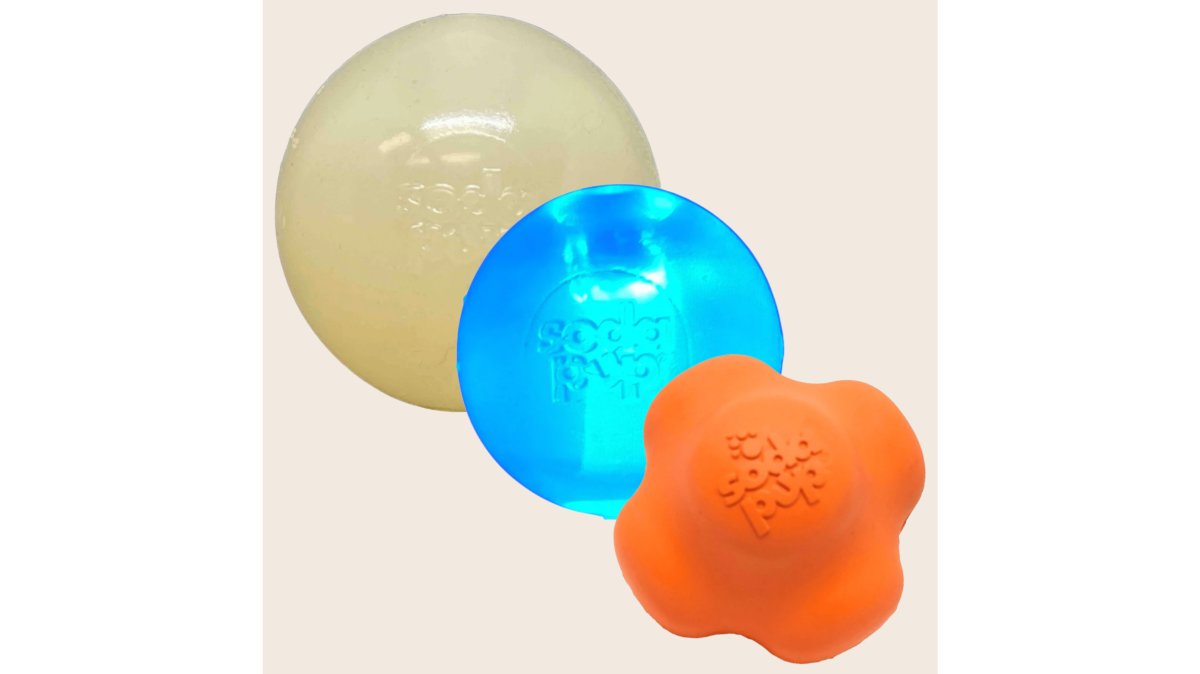
Ferrets love chasing and batting balls. Durable balls made from solid rubber or thick plastic provide hours of entertainment. Rolling toys encourage natural hunting behavior and give ferrets exercise.
Balls should be large enough that ferrets can't accidentally swallow them but small enough to bat around easily. Avoid balls with bells or other small parts that can be chewed off. Solid construction is critical, any toy that can be torn apart becomes a choking hazard.
Some balls are designed with textured surfaces to provide additional tactile stimulation. These work well as long as the texture doesn't create loose pieces or sharp edges. Test any ball by trying to puncture or tear it yourself before giving it to your ferret.
Dig Boxes and Digging Activities
Ferrets have a natural instinct to dig. Providing a dedicated dig box satisfies this urge and prevents destructive digging in other areas. A dig box can be as simple as a plastic storage container filled with safe, non-toxic materials like shredded paper, cloth scraps, or play sand.
The container itself should be durable plastic that won't break or splinter. The materials inside should be safe if accidentally ingested. Change the contents regularly to keep the activity fresh and interesting.
Dig boxes provide both physical exercise and mental engagement. Many ferrets will spend extended periods in their dig box, which reduces stress and boredom-related behavior problems.
Ferret Enrichment Ideas Beyond Traditional Toys
While commercial toys are important, enrichment goes beyond purchased products. Creating a varied environment with multiple types of stimulation keeps ferrets engaged and mentally sharp.
Foraging and Puzzle Feeders
Puzzle feeders and foraging toys turn mealtime into enrichment. Instead of eating from a bowl, ferrets work to extract food from compartments or hidden spaces. This mimics natural hunting behavior and provides mental stimulation.
Look for puzzle feeders made from durable, non-toxic materials. Food-grade silicone options are excellent because they're safe if ferrets chew on them. Puzzle feeders slow down eating, which aids digestion and extends mealtime enrichment.
Rotating different puzzle feeders prevents ferrets from mastering one too quickly. Some ferrets prefer different difficulty levels, so having multiple options allows you to match the challenge to your ferret's skill level.
Hides, Beds, and Enclosed Spaces
Ferrets feel safer in enclosed spaces where they can hide and sleep. Providing multiple hides throughout their play area reduces anxiety and gives them secure resting spots. Hides can be commercial ferret beds or simple cardboard boxes.
Cardboard boxes are excellent because they're inexpensive, replaceable, and naturally appealing to ferrets. Ferrets will often chew and destroy cardboard, so have replacements ready. Avoid boxes with staples, tape, or printed inks that could be toxic.
Fabric hides should be made from washable, durable materials. Inspect them regularly for tears that could trap ferrets or create ingestion hazards. Rotate hides to keep the environment fresh and interesting.
The Open Air Hay Feeder and Hay Roller Bundle →
Ferret Toys to Avoid: Safety Red Flags
Certain toys and materials pose serious risks to ferrets. Understanding what to avoid prevents injuries and emergency vet visits.
Never give ferrets toys with small, loose parts like bells, beads, or buttons. Ferrets can chew these off and swallow them, causing intestinal blockages.
Avoid toys made from foam, latex, or soft rubber that tears easily. These materials can be ingested in large quantities, creating blockage risks. Toys with sharp edges, splinters, or rough surfaces can cut ferrets' mouths or digestive tract.
Plastic toys with thin walls or small compartments are risky because ferrets can break them into pieces.
Never leave ferrets unsupervised with new toys until you've confirmed they're safe. Some ferrets are aggressive chewers who can destroy toys faster than others, so individual play styles matter.
Inspection, Cleaning, and Toy Rotation
Maintaining toys extends their life and keeps ferrets safe. Regular inspection catches damage before it becomes dangerous.
Weekly Inspection Checklist
Check every toy in your ferret's environment at least once weekly. Look for tears, holes, cracks, or signs of chewing damage. Test plastic toys by trying to bend or flex them, if they crack or show stress marks, replace them.
Inspect tunnels and tubes for holes that ferrets could get stuck in. Check balls for punctures or dents that might create sharp edges. Remove any toy showing significant wear immediately.

Keep a simple notebook or digital list tracking toy condition and replacement dates. This helps you identify which toys wear out fastest and which brands hold up best for your ferrets' play style.
Cleaning and Drying Methods
Wash toys regularly to prevent bacteria buildup and odor. Most toys can be cleaned with warm water and mild soap. Use a soft brush to reach crevices in tunnels and textured surfaces.
For toys that can't be submerged, wipe them down with a damp cloth and dry thoroughly. Ensure toys are completely dry before returning them to your ferret's play area. Damp toys can develop mold or mildew, which is harmful if ferrets chew on them.
Some plastic and rubber toys can be sanitized in the dishwasher on a low-heat setting. Check manufacturer recommendations first. Fabric hides should be washed in warm water and dried completely.
Rotating Toys to Prevent Boredom
Ferrets get bored with the same toys day after day. Rotating toys keeps play fresh and extends toy life by reducing constant wear on the same items.
Keep some toys in rotation and put others away for a week or two. When you bring rotated toys back out, ferrets treat them as new and show renewed interest. This simple strategy significantly reduces boredom-related destructive behavior.
Aim to rotate toys every 1-2 weeks. With a collection of 15-20 toys, you can always have fresh options available while giving other toys time to "rest" and for you to thoroughly clean and inspect them.
DIY Enrichment Toys: Safe Construction for Ferrets
Creating your own enrichment toys gives you control over materials and safety. Many DIY options are inexpensive and highly engaging for ferrets.
Paper bags and crinkle sacks are simple and free. Remove any staples, tape, or printed inks that could be toxic. Ferrets love to crinkle, tear, and hide in paper bags.
Untreated wood blocks and chew sticks provide safe chewing outlets. Purchase from reputable sources that verify the wood is pesticide-free and untreated.
Fabric scraps and old cloth can be shredded for dig boxes or used to create simple hiding spots.
Never use materials that are toxic to ferrets, including chocolate, grapes, onions, or anything containing xylitol.
Keeping your ferrets engaged and mentally stimulated is one of the best investments you can make in their health and happiness.
At Walnut Creek Pets LLC DBA Walnut Creek Supply, we understand that ferret owners need reliable information and quality products. Explore our collection of durable enrichment toys for ferrets, including puzzle feeders and interactive options that provide the mental stimulation your ferrets need.
Frequently Asked Questions
What materials make the most durable enrichment toys for ferrets?
Rubber, silicone, and thick plastic are the most durable materials for ferret toys. Rubber and silicone resist chewing better than thin plastics and are less likely to splinter or break into small pieces that pose choking hazards. Hard plastic balls and tubes are also effective if they're thick enough to withstand repeated impact and chewing. Avoid soft plastics, foam, and materials with loose pieces that ferrets can easily tear away.
How often should you replace ferret enrichment toys?
Inspect toys weekly and replace any that show cracks, loose pieces, or significant wear. Most durable toys last 3-6 months with regular play, though this varies based on your ferret's chewing intensity and play style. Rotate toys every 2-3 weeks to maintain interest and reduce wear on individual toys. Replace items immediately if they develop sharp edges, holes, or signs of degradation that could injure your ferret or cause ingestion risks.
What safe ferret toys provide the best mental stimulation?
Puzzle feeders, dig boxes, and foraging mats offer excellent mental enrichment by encouraging natural digging and foraging behaviors. Tunnels and tubes allow ferrets to explore and hide, supporting their burrowing instincts. Wand toys with interactive elements engage ferrets in supervised play. Combining multiple toy types and rotating them regularly keeps ferrets mentally stimulated and prevents boredom-related destructive behavior.
Which ferret toys to avoid pose the biggest safety risks?
Avoid toys with small detachable parts, bells, or beads that ferrets can swallow, as these cause intestinal blockages. Steer clear of toys made from soft foam, thin plastic, or materials that shed fibers. Don't use toys with sharp edges, rough seams, or splinters. Avoid fabric toys unless they're reinforced and supervised during play. Plush toys designed for other animals often lack the durability and safety features ferrets need, making them unsuitable for unsupervised play.


